


When you’re dealing with the frustration and pain of a hemorrhoid flare-up, you want a clear plan that works. Learning how to shrink hemorrhoids fast isn’t a single magic trick—it’s a combination approach that gives you immediate relief while also tackling the root cause. This page focuses on fast, practical steps you can start today. If you want the complete picture — every stage from home care through prescriptions, in-office procedures, and surgery — see our full hemorrhoid treatment guide.
And that root cause? It’s almost always pressure from constipation and straining.
How to Shrink Hemorrhoids: Your Step-by-Step Action Plan
To get things under control, you need a solid strategy. This means starting with immediate self-care to soothe the pain, then moving to targeted over-the-counter options, and if that doesn’t work, using prescription compounded creams like those offered from Bummed. Finally, building long-term habits to keep them from coming back. It’s all about giving your body the best possible chance to heal.
Start with self-care
To start, you need to soothe and shrink the hemorrhoid with self-care. Your first mission is to calm down the immediate irritation and swelling. This is where simple, at-home care makes a huge difference.
According to the Cleveland Clinic, warm-water sitz baths are one of the most effective tools in your arsenal. They help increase blood flow, relax the anal sphincter, and soothe discomfort. Just aim for a 10-15 minute soak a few times a day, especially after a bowel movement.
Gentle cleansing is just as important. We always recommend to avoid harsh wiping or wipes that can sometimes cause further irritation. Try using a bidet if possible, or if not, you can use a toilet paper cleansing foam like Qleanse. This simple change prevents further irritation and gives the delicate tissue a chance to heal.
A few common habits quietly work against you during a flare:
| Habit | Why it backfires | Better move |
|---|---|---|
| Sitting on the toilet scrolling or waiting | Pressure builds in the rectal veins and swelling lasts longer | Go when you feel the urge, then stand up |
| Scrubbing after a bowel movement | Friction irritates skin and can increase burning | Pat gently or rinse with warm water |
| Using scented wipes or very hot water | Fragrance and heat can trigger more stinging | Use plain, unscented, warm care |
| Using cream but ignoring bowel habits | Symptoms return with the next hard or strained bowel movement | Pair symptom relief with stool-softening steps |
Address the root cause
While self-care brings much-needed relief, you won’t get lasting results until you address the underlying issue. For most people, that’s constipation and straining on the toilet.
To counter this, your goal is to soften your stool. This starts with boosting your fiber and water intake, but you can also turn to stool softeners for short-term help. If you’re considering that route, you might want to check out our guide on how long you can safely use stool softeners.
Build Foundational Habits for Lasting Relief
While quick fixes can give you some temporary comfort, they won’t solve the problem for good. If you’re serious about how to shrink hemorrhoids and keep them from coming back, you have to get to the root cause. For most of us, that means dealing with constipation and the pressure it puts on your backside.
This isn’t the glamorous part of the plan, but it’s the most important. The goal is to make your bowel movements smoother and less forceful. Doing that takes the pressure off the veins in your rectum, giving them a real chance to heal and shrink. It’s the cornerstone of any hemorrhoid plan that actually works.

Hit your daily fiber target
You need to aim for 25 to 35 grams of fiber every single day. We know, that sounds like a lot, but it’s totally doable when you know what to eat.
- Soluble Fiber: This is the kind that turns into a gel and softens your stool. You’ll find it in oats, beans, apples, and carrots.
- Insoluble Fiber: This is the “bulking” agent that helps things move along. Think whole grains and most vegetables.
We’ve put together a full guide on high-fiber foods that help with constipation to make it even easier. If you’re still finding it hard to hit that daily goal, a psyllium husk supplement is a great backup.
Don’t skip the water
Here’s the thing about fiber: it needs water to work its magic. If you load up on fiber but don’t drink enough fluids, you can actually make constipation worse. Nobody wants that.
Your target should be around eight glasses of water a day, but listen to your body—your personal needs might be different. The end goal is simple: keep your stool soft and easy to pass. If you’re not sure what’s actually driving your flares, tracking helps more than guessing. Stool texture, bleeding, pain, time spent on the toilet, and what changed in your routine tend to reveal a pattern fast. This 7-day bowel habit tracker makes that easier to spot.
The American Academy of Family Physicians agrees. Their research confirms that the best-supported first step for shrinking hemorrhoids is a simple routine: more fiber, more fluids, and less straining. Why? Because this combo directly tackles the pressure that causes hemorrhoids to swell in the first place.
A simple daily routine
A simple routine that works for many adults:
Morning: Water, breakfast with fiber, and a few calm minutes after eating in case your body wants to move your bowels naturally.
Midday: Keep fluids going. If you’re using a fiber supplement, follow the label and take it consistently rather than only when you feel backed up.
Evening: Eat a balanced dinner with plants and whole grains, then avoid long toilet sessions just because you feel like you “should” go.
At the end of the day, these dietary shifts are some of the most powerful ways to support digestive balance and get you on the path to long-term relief.
Control Your Symptoms With Soothing Techniques
While you’re building those good, long-term habits, let’s be real: you need relief that works right now. Soothing techniques are your best friend for calming down the irritation and swelling, giving your body a chance to heal without all the extra misery.
One of the best (and simplest) things you can do is a sitz bath. This just means soaking your butt in plain warm water for 10 to 15 minutes, a couple of times a day.
As the Mayo Clinic points out, this simple soak soothes irritation and gets blood flowing, which is exactly what you need to bring down the swelling. You don’t need fancy soaps or additives—just warm water does the trick.
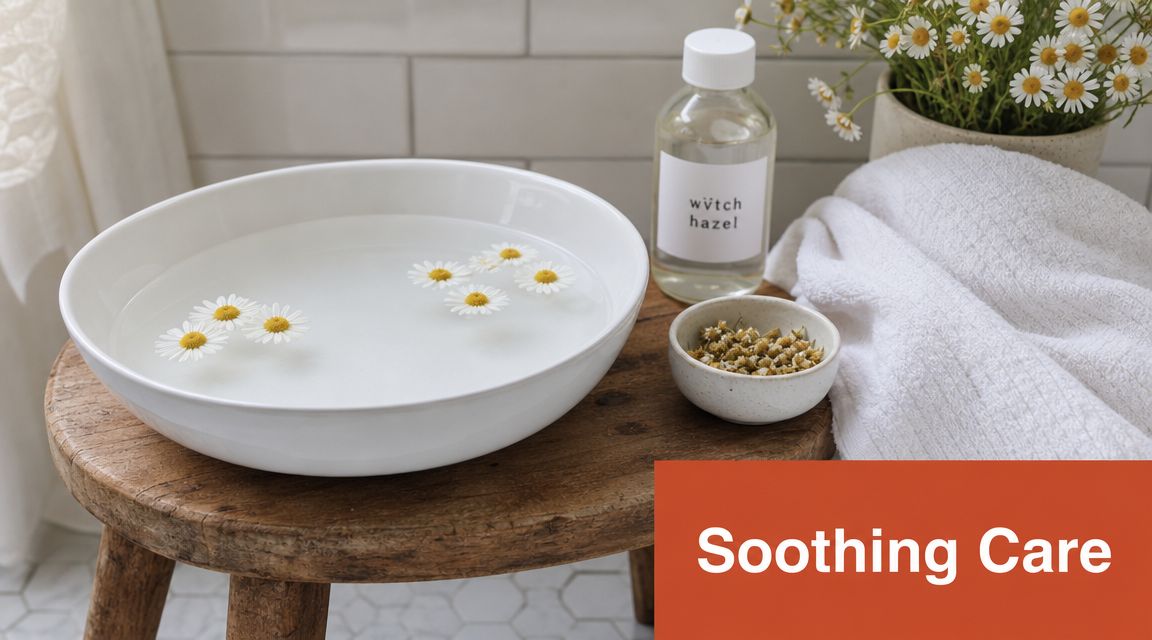
Over-the-counter creams can help, but not all are doing the same job. Some — like witch hazel-based astringents — aim to shrink the tissue itself. Others, like lidocaine or hydrocortisone, manage pain and itching without addressing the underlying swelling. For a full ingredient-by-ingredient breakdown, see our best hemorrhoid cream guide.
None of these will fully resolve inflammation or infection on their own — for actual healing at that level, a custom compounded prescription cream is usually the next step.
Try A Prescription When OTC Isn’t Enough
So you’ve tried the sitz baths, upped your fiber, and worked your way through the over-the-counter (OTC) aisle, but you’re still not getting relief. What now?
First, know this is incredibly common. It doesn’t mean you’ve failed or done anything wrong—it just means your hemorrhoids are stubborn and need a stronger game plan. When the usual self-care isn’t enough to calm things down, it’s time to level up.
Prescription treatments bring in the heavy hitters. They contain more powerful, targeted ingredients that can shut down the persistent inflammation, pain, and swelling that OTC products just can’t touch. This is often the fastest way to shrink hemorrhoids when they refuse to back down.
For a full breakdown of which prescription ingredient fits which symptom pattern — including fissure pain, sensitive tissue, and chronic itch — see the prescription section of our hemorrhoid treatment guide.
What’s in a compounded prescription
One of the most effective tools in the prescription toolbox is a compounded cream. Think of it as a custom-built solution, combining multiple active ingredients into a single, personalized formula just for you.
A provider can create a cream that tackles all your symptoms at once. For example, a single formula could include:
- A vasoconstrictor to help shrink those swollen, angry blood vessels.
- An anesthetic like lidocaine for immediate, blessed relief from pain.
- A steroid to calm down serious inflammation and put an end to the itch-scratch cycle.
According to the Cleveland Clinic, a provider may prescribe medications if at-home treatments aren’t effective. These prescriptions often contain stronger versions of ingredients found in OTC products, like hydrocortisone or lidocaine, to provide more substantial relief.
Getting prescription care through telehealth
This multi-pronged attack is what makes prescriptions so effective for the tougher cases. And thanks to telehealth services like Bummed, getting this kind of care is easier and more discreet than ever. You can learn all about our process for getting a custom prescription hemorrhoid treatment online.
A board-certified provider can review your symptoms online and, if it’s the right fit, prescribe a cream formulated specifically for your needs. It’s a stronger, smarter strategy that skips the waiting rooms and gets you on the path to relief, fast.
Special Considerations for Shrinking Hemorrhoids
Pregnancy and postpartum recovery
Pregnancy increases pressure in the pelvic area and often slows bowel habits — a combination that can make hemorrhoids both more likely and more painful. The safest place to start is usually the least aggressive approach: warm sitz baths, gentle cleansing, more dietary fiber, steady fluid intake, and avoiding straining.
If you’re pregnant or recently postpartum, use caution with over-the-counter products, and check with a provider before frequent use, particularly if symptoms persist or the skin is already irritated. Bummed’s Long-Acting Hemorrhoid & Fissure Rx Cream and Sensitive Care Hemorrhoid & Fissure Rx Cream was formulated with pregnant patients in mind.
GLP-1 medications and constipation-related flares
People taking GLP-1 medications such as Ozempic or Wegovy often notice slower digestion and constipation. That doesn’t mean the medication is “causing hemorrhoids” directly — it means it can create the bowel pattern that triggers them.
The right response is to get ahead of constipation early, not after a flare becomes painful: build fiber in gradually, stay on top of fluids daily rather than only when stool starts getting hard, and pay attention to stool consistency and frequency. If the medication keeps slowing things down despite a solid home routine, that’s worth discussing with a provider.
Know When It’s Time to Call a Provider
While most hemorrhoids calm down with home care and the right prescription topicals, some symptoms are your body’s way of sending up a red flag. It’s important to know the difference between typical hemorrhoid nonsense and a sign that you need a professional medical opinion.
Listening to these signals is the key to getting relief safely and making sure you’re not ignoring a more serious issue.
Red flags that need medical attention
The biggest red flag? Rectal bleeding. According to the Cleveland Clinic, you should always get medical advice for any bleeding, especially if it’s new, heavy, or you notice your stool color has changed. Bright red blood is common with hemorrhoids, but you need a proper diagnosis to be sure. Don’t guess.
Beyond bleeding, a few other symptoms are clear signals that it’s time to talk to a professional. You should book an appointment if you’re experiencing any of these:
- Severe or Spiking Pain: If the pain is intense, gets suddenly worse, or is way beyond what you’ve felt before, it could be a complication like a thrombosed hemorrhoid.
- A Lump That Won’t Go Back In: If you feel a lump you can’t gently push back inside (a prolapsed hemorrhoid), it’s time for a medical assessment.
- No Relief After a Week: If you’ve been sticking to a solid self-care routine for a week and things aren’t getting better, a provider can get you on a stronger treatment plan.
These signs aren’t just about being uncomfortable—they’re about your health. A correct diagnosis makes sure you’re treating the right problem and not missing something more serious. If you’re trying to decide whether home care is still the right call, when it’s time to seek in-person care for hemorrhoids and what doctor treats hemorrhoids walks through that decision in more detail.
Convenient telehealth services, like those from bummed.co, offer a fast and private way to get that professional guidance. An online chat can quickly help figure out if your symptoms are typical for hemorrhoids or if you need to be seen in person for a closer look.
Frequently asked questions about how to shrink hemorrhoids fast
How long does it take for hemorrhoids to shrink?
Honestly, it depends on the size of the hemorrhoid and how committed you are to your treatment plan.
For a minor flare-up, you could see a huge improvement in about a week if you’re diligent with at-home care. That means loading up on fiber, drinking tons of water, and making sitz baths a regular part of your day.
But for larger, more stubborn hemorrhoids, you might be looking at a few weeks for things to really settle down. As the Cleveland Clinic points out, consistency is everything. If you back off your routine the second you feel a little relief, you’re just inviting the symptoms to come roaring back.
Can stress make my hemorrhoids worse?
Stress doesn’t directly cause hemorrhoids, but it can absolutely make them worse — it disrupts digestion, changes bowel habits, and often leads to unconscious muscle tension that increases straining. For the full explanation of how that connection works and what to do about it, see our guide on can you get hemorrhoids from stress.
What foods should I avoid with hemorrhoids?
Instead of a long list of “bad” foods, let’s reframe this. The real enemy here is constipation. Anything that makes your stool hard and tough to pass is going to put more pressure on your hemorrhoids.
So, it’s less about avoiding foods entirely and more about eating them in moderation. Think about dialing back on:
- Processed snacks and fast food
- Large amounts of cheese and dairy
- Red meat
The goal isn’t deprivation. It’s about making sure your diet is dominated by high-fiber heroes like fruits, veggies, and whole grains. When you do that, you naturally keep things moving smoothly.
Is it better to sit or stand with hemorrhoids?
Neither is great for long periods. Both prolonged sitting and prolonged standing can crank up the pressure in your rectal area and make your hemorrhoids scream. The real secret is movement—avoiding any single position for too long.
If there’s one habit to break, it’s doom-scrolling on the toilet. That posture puts direct, sustained pressure on your rectal veins, basically inviting them to swell up.
If your job has you parked in a chair all day, set a timer. Get up and walk around for a few minutes every hour. And when you are sitting, a donut cushion can be a game-changer for taking the direct pressure off and making you more comfortable.
Is it better to use a cream or a suppository?
It depends on where the symptoms are. External irritation usually responds better to a cream or ointment. Internal symptoms may call for a suppository instead. Not sure which pattern fits your case? Our symptoms quiz can help point you toward the right treatment.
Should you use ice or heat?
Warm sitz baths are the mainstay — they soothe the area and improve blood flow. Some people also find brief cold therapy helpful for swelling or a burning sensation. If you use a cold pack, keep a cloth barrier between it and your skin, and don’t overdo it.
Bummed content is for general education and should never replace professional medical advice that considers your individual health. If you think you’re experiencing a medical emergency, call 911 or head to the nearest emergency department.
Prescription products require an online consultation with a physician who will determine if a prescription is appropriate.