
That pharmacy aisle can feel oddly stressful. You’re uncomfortable, sitting hurts, wiping hurts, and every box promises “fast relief” without making it clear what’s inside or which product fits your symptoms.
That’s where individuals often get stuck. They aren’t just looking for any hemorrhoids OTC medicine. They’re trying to answer a more practical question: What should I use for the kind of hemorrhoid problem I have right now, and when should I stop guessing and get help?
Hemorrhoids are common enough that many adults start with over the counter care.
Navigating Hemorrhoid Discomfort with Over-the-Counter Care
For many adults, OTC care is a reasonable place to begin. Mild hemorrhoid symptoms often improve with a combination of short-term topical relief and less strain during bowel movements. That’s why creams, warm baths, and bowel habit changes often show up together in good hemorrhoid care plans.
What makes this confusing is that “hemorrhoid medicine” is not one thing. Some products calm itching. Some numb pain. Some protect irritated skin. Some are meant for tissue just outside the anus, while others are designed to reach inside. And generally, most over the counter solutions just mask pain and do not aid in healing.
Practical rule: Pick the product based on your main symptom and where the irritation is happening, not the biggest brand name on the shelf.
A helpful way to think about treatment is this: it’s like using the right tool for a very specific job. A cooling pad may soothe raw external skin. A hydrocortisone cream may help itchy, inflamed tissue, but it isn’t a fix for a hemorrhoid that keeps prolapsing or bleeding.
Home care also works best when you treat the cause, not just the feeling. A lot of hemorrhoid flare-ups are tied to straining, hard stools, or spending too long on the toilet. If you want a simple at-home starting plan, this guide on how to treat hemorrhoids at home walks through the basics in plain language.
Choosing Your Formulation Creams
The first choice isn’t usually brand. It’s formulation.
Think of these products like tools in a small bathroom toolbox. You wouldn’t use the same tool to clean a mirror, unclog a drain, and tighten a hinge. Hemorrhoid products work the same way.
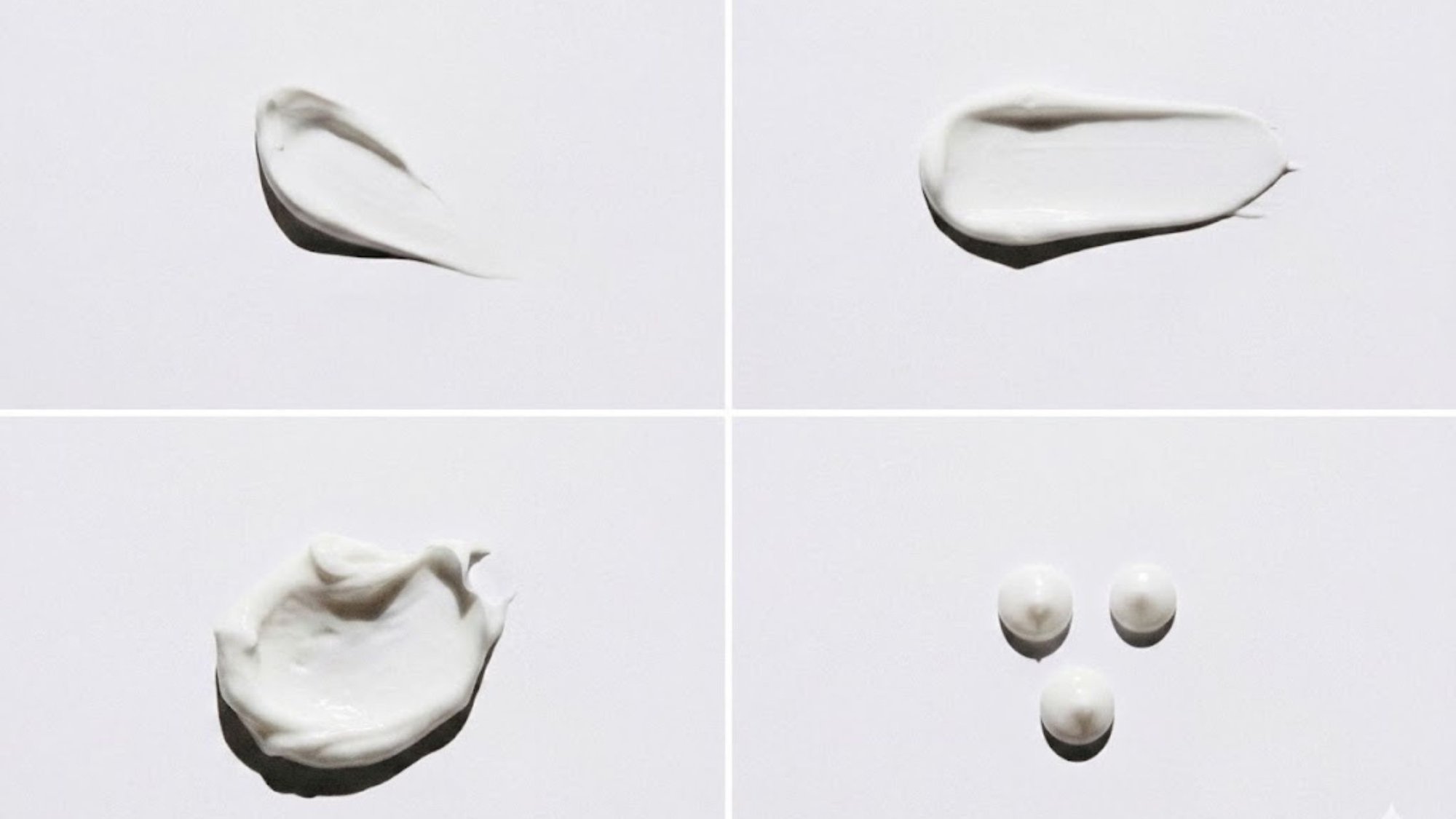
Creams and ointments for external relief
Creams and ointments are usually best when the discomfort is outside the anus or right at the opening. If you have itching, burning, tenderness, or irritated skin you can feel on the outside, this is often the easiest place to start.
Ointments tend to feel greasier, but that can be useful when the area feels raw and needs a barrier. Creams may feel lighter and less messy. Either way, they’re mainly for external symptoms unless the package specifically includes safe internal use instructions.
If application feels awkward, this guide on how to put hemorrhoid cream exactly where you need it can make the process much easier.
A quick way to choose
-
Mainly external itching or burning: Start with a cream or ointment, like Bummed’s Anti-Itch cream
-
Mainly internal discomfort or swelling: A hemorrhoid cream, like Bummed’s Rapid Relief or Long-Acting formula
-
Raw, irritated skin after bowel movements: Bummed’s Sensitive Care cream
-
Mixed symptoms: Many people use more than one formulation, but it helps to keep each product’s purpose clear.
The Active Ingredients That Power Relief
Once you know the right form, the next step is reading the active ingredients. That matters more than the front label.
Cleveland Clinic notes that many hemorrhoid products are multicomponent formulations, but the evidence behind them is uneven. Some products are widely used even when there isn’t much high-quality data supporting long-term benefit (Cleveland Clinic guide to hemorrhoid treatment).
That doesn’t mean these products are useless. It means you should think of them as symptom tools, not as proof that the underlying hemorrhoid problem is solved.
Protectants and astringents
Protectants create a physical barrier over irritated tissue. They’re often helpful when the area feels rubbed, raw, or repeatedly irritated by stool or wiping.
Astringents are meant to soothe and tighten tissue temporarily. Witch hazel is the ingredient many people recognize in this category. These products can feel cooling and calming, especially for external irritation, although they tend to ultimately lead to more irritation and drying of the skin.
Anesthetics and vasoconstrictors
Topical anesthetics such as lidocaine or benzocaine are aimed at pain, burning, and stinging. They don’t treat the cause, but they can make a flare much more manageable.
Vasoconstrictors work by narrowing blood vessels for short-term symptom relief. The practical goal is to reduce swelling and the sense of fullness. These ingredients often show up in combination products rather than alone.
For readers trying to understand how anti-itch and numbing ingredients are sometimes paired, this overview of lidocaine and hydrocortisone cream helps explain the difference between calming inflammation and numbing discomfort.
Steroids such as hydrocortisone
Hydrocortisone is the anti-inflammatory ingredient with some evidence base for hemorrhoid symptom relief. It’s used for itching, swelling, and inflamed tissue, but it’s meant for short-term use, not ongoing repeated use without guidance.
The label matters more than the marketing. Two products can sit side by side and look similar, yet one is designed to numb pain while the other is designed to calm inflammation.
Common OTC Hemorrhoid Ingredients and Their Purpose
| Ingredient Type | What It Does | Best For | Example |
|---|---|---|---|
| Protectants | Forms a barrier over irritated tissue | Rawness, friction, irritation | Zinc oxide |
| Astringents | Temporarily soothes and tightens tissue | External irritation, mild swelling | Witch hazel |
| Anesthetics | Numbs the area | Pain, burning, stinging | Lidocaine, benzocaine |
| Vasoconstrictors | Narrows blood vessels temporarily | Swelling, fullness | Phenylephrine |
| Steroids | Reduces inflammation and itching | Itching, swelling, inflamed tissue | Hydrocortisone |
Important Safety Rules for Using OTC Hemorrhoid Treatments
OTC treatment is for short-term relief. That’s the central safety rule.
If a product helps quickly and the problem settles, great. If your symptoms keep coming back, or if you’re relying on repeated cycles of topical treatment, it’s time to ask why. Often the underlying driver is constipation, straining, or ongoing pressure on the area.
The seven-day mindset
Hydrocortisone is the clearest example. Used as directed, it can be helpful. Used repeatedly without guidance, it can mask a problem that isn’t really improving.
A good rule is to think of OTC treatment as a bridge, not a long-term plan.
-
Use the product exactly as labeled.
-
Stop and reassess if you need it again and again.
-
Treat bowel habits at the same time. Softer stools and less straining matter as much as the cream.
Red flags that should change your plan
-
Persistent or substantial bleeding: Don’t keep assuming all rectal bleeding is “just hemorrhoids.”
-
Severe pain: Especially if it comes on suddenly or feels out of proportion to a typical flare.
-
A lump that won’t go back in or worsening swelling: This may need more than pharmacy care.
-
No improvement after a week of proper use: That’s a sign the current plan probably isn’t enough.
-
New or worsening symptoms: Dizziness, feeling unwell, or symptoms that don’t fit your usual pattern deserve medical review.
What next-step care can look like
For adults who want a private, remote option, prescription hemorrhoid treatment through telehealth can be one path. Bummed offers a provider-reviewed online intake for prescription treatment if appropriate. That can make sense when OTC products haven’t solved the problem and you want guidance without putting off care.
Frequently Asked Questions About Hemorrhoids OTC Medicine
Can we use more than one hemorrhoid product at the same time?
Sometimes, yes. The key is to know why each product is being used so you don’t pile on multiple overlapping ingredients without a reason.
If you’re combining products, avoid turning it into a guessing game. Keep one product for pain or itching and one for cleansing or protection.
What if the first product we try doesn’t work?
Start by asking two questions: did the ingredient match the symptom, and did the formulation match the location? A cream for external itching may not help much if the main problem is internal pressure. A numbing product may not help much if the issue is inflamed, itchy tissue.
Take the Bummed Quiz to help isolate the symptom and match it to the best treatment.
Is fiber really part of hemorrhoid treatment?
Yes. It’s one of the most important parts. The American Academy of Family Physicians notes that fiber supplementation decreases bleeding by 50% and recommends 25 to 35 g/day of fiber along with increased water, sitz baths, and stool softeners as first-line care (AAFP review of hemorrhoid management).
That matters because many people think of hemorrhoids as only a skin problem. In reality, the bowel pattern often keeps the flare going.
Are branded hemorrhoid creams always better than generic ones?
Not necessarily. What matters most is the active ingredient list, not the logo on the box. A generic product with the same active ingredient and formulation type may serve the same purpose.
Read the back label first. That habit usually leads to better choices than shopping by brand recognition alone.
Can OTC medicine fix internal hemorrhoids that keep prolapsing?
Usually not. OTC products may reduce discomfort, but a hemorrhoid that repeatedly prolapses often needs prescription medication and sometimes an evaluation. Symptom relief and structural correction are not the same thing.
That’s why recurring bulging, ongoing bleeding, or repeated flares should move you out of self-treatment mode.
What’s the simplest hemorrhoid care routine if everything feels irritated?
Keep it basic. Gentle cleansing, less wiping friction, short-term symptom-targeted topical treatment, warm baths, and a bowel routine that avoids straining are often more effective than using several aggressive products at once.
When the area is already inflamed, “more treatment” isn’t always better. Often, less friction and better stool consistency make the biggest difference.
If OTC care isn’t cutting it, Bummed offers a private online intake reviewed by a board-certified provider, with prescription treatment available if appropriate and shipped discreetly to your door.
Bummed content is for general education and should never replace professional medical advice that considers your individual health. If you think you’re experiencing a medical emergency, call 911 or head to the nearest emergency department.
Prescription products require an online consultation with a physician who will determine if a prescription is appropriate.