



The search usually starts the same way. You notice itching, burning, a little swelling, maybe pain during a bowel movement, and then you end up staring at a shelf full of creams, wipes, suppositories, and stool softeners that all seem to promise relief.
This is a common point of confusion. The best hemorrhoid medicine usually isn’t one single product. It’s the treatment that matches the symptom that’s bothering you most, while also reducing the strain and irritation that keep the problem going. If you want the full ingredient-by-ingredient breakdown and treatment tiers, our guide to the best hemorrhoid cream covers that in depth. This piece is about the decision itself — how to know which path actually fits your situation.
How to Choose the Right Hemorrhoid Medicine

You wake up sore and dread the next bowel movement. You open a dozen tabs trying to figure out whether you need a numbing cream, hydrocortisone, wipes, fiber, or something stronger. That confusion is normal. Hemorrhoid treatments are sold side by side, but they do different jobs.
The practical way to choose is to match the medicine to the symptom that is driving your flare. Pain calls for a different tool than itching. Swelling and pressure are not the same as bleeding with hard stool. A good treatment plan works like a repair kit. Each part has a purpose, and the wrong tool can leave you disappointed even if the label sounds convincing.
Start with the symptom pattern
Ask a narrower question than “What is the best hemorrhoid medicine?”
Ask, “What problem am I trying to calm today?”
Use this quick framework:
- Pain, burning, tenderness: A topical anesthetic may help dull pain signals for short-term relief.
- Itching and inflamed skin: A short course of hydrocortisone may reduce irritation.
- Fullness, swelling, or a bulky feeling: Some OTC products aim to reduce that sensation, but results are often modest.
- Bleeding with hard stool or straining: Bowel support matters more than another cream.
- Repeated flares despite trying OTC care: A custom prescription, like those offered through Bummed, may make more sense than cycling through store brands. For a closer look at which active ingredients match which symptom, see our best hemorrhoid cream guide.
That last group gets overlooked. Some patients do fine with standard OTC products. Others need a more targeted combination, such as a lidocaine and hydrocortisone hemorrhoid cream prescribed through telehealth when pain and inflammation are happening at the same time.
Relief matters, but cause matters more
Topicals can settle symptoms. They usually do not fix the reason the flare started.
If bowel movements are hard, dry, or delayed, the tissue keeps getting stressed. It is similar to putting ointment on a blister while continuing to wear the same tight shoe. The medicine can help, but the friction keeps coming back. That is why clinicians often pair symptom relief with bowel habit changes, especially more fiber, better hydration, and less straining.
The American Society of Colon and Rectal Surgeons recommends fiber and other conservative measures as first-line treatment for many patients with symptomatic hemorrhoids. Reducing trauma during bowel movements often lowers irritation and bleeding over time.
Choose the simplest treatment that matches the problem
In practice, start with the lowest level of treatment that fits the symptoms and the severity.
- Mild irritation after bowel movements often responds to basic conservative care.
- Short-term itching or soreness may improve with OTC topical treatment used as directed.
- More intense pain, mixed symptoms, or repeated flares may justify prescription treatment.
- Ongoing bleeding, a prolapsing hemorrhoid, or symptoms that keep returning deserve medical evaluation rather than another round of self-treatment.
Cost also affects real-world choices. OTC products are easier to get, but repeated trial and error adds up. Prescription telehealth care can be more efficient here. It helps you skip products that were never likely to address your symptom pattern in the first place. If you use tax-advantaged health funds, it helps to review how to use your HSA before ordering treatment.
A smart choice is not always the strongest product on the shelf. It is the option that fits your symptoms, avoids unnecessary irritation, and gives you a clear point at which to get medical help if things are not improving.
Understanding Your Treatment Options and Ingredients
A patient with hemorrhoid symptoms usually wants one thing first. Relief. The problem is that hemorrhoid medicines do different jobs, and the right choice depends on whether your main issue is pain, itching, swelling, hard bowel movements, or a combination of all four.
That is the framework I use in practice. Match the ingredient to the symptom instead of picking the product with the loudest packaging.
What common ingredients actually do
Here’s the short version: local anesthetics like lidocaine numb pain, corticosteroids like hydrocortisone calm itching and inflammation, and vasoconstrictors like phenylephrine can temporarily ease swelling. We break each of these down in detail — including dosing limits and which symptom pattern each one fits — in our best hemorrhoid cream guide.
Two ingredients worth mentioning here that aren’t primarily about the cream at all: fiber supplements and stool softeners. Neither treats the hemorrhoid directly, but both address the mechanical cause — hard, straining bowel movements — that keeps re-injuring the tissue no matter what cream you’re using. If your flares track closely with constipation, this is often the higher-leverage fix.
Why some prescriptions feel different from OTC products
Prescription treatment can go beyond short-term surface relief. In selected cases, clinicians use compounded ingredients such as nitroglycerin, diltiazem, or nifedipine for anorectal pain. This is especially useful when pain seems tied to muscle spasm and pressure rather than skin irritation alone.
That is a different treatment target. Instead of only numbing the area or calming itch, these ingredients can help relax the tissue that is staying tight and painful. Patients often describe that pain as sharp, deep, or severe during and after bowel movements.
When a Custom Prescription Makes More Sense
“The ingredients that require a prescription aren’t stronger versions of what’s on the shelf — they’re often solving a different problem entirely,” says Dr. Carmen Fong, Bummed’s Chief Medical Office and a double-board certified colorectal surgeon. “Diltiazem and nitroglycerin work on the sphincter muscle itself. That’s not something an OTC cream is formulated to touch, because it’s a smooth-muscle relaxant effect, not a numbing or anti-inflammatory one. That’s the actual line between the two tiers — it’s not just concentration, it’s mechanism.”
This is one reason a step-by-step decision process helps. If symptoms suggest simple irritation, basic topical care may be enough. If symptoms suggest spasm, thrombosis, or repeated painful flares, a custom prescription may fit the problem better.
Combination formulas often match real symptoms better
Hemorrhoid flares are rarely neat. Many patients have pain, itching, and irritation at the same time, which is why combination treatment often makes more sense than a single-ingredient product.
A common example is a lidocaine and hydrocortisone hemorrhoid cream. Lidocaine helps with pain and burning. Hydrocortisone helps with itch and inflammation. Used appropriately, that pairing addresses two common symptom clusters at once.
Bummed creams include as many as 5 active ingredients, including a painkiller, anti-inflammatory, anti-itch, and calcium channel blocker, for healing and symptom relief.
Bummed’s Long-Acting Hemorrhoid & Fissure Rx Cream, for example, includes diltiazem, lidocaine, bupivacaine, metronidazole, and hydrocortisone for comprehensive healing.
What’s Prescription-Only, and Why
A few ingredients don’t have an OTC equivalent at all — not because they’re simply “stronger,” but because they work through a mechanism OTC formulations aren’t built around.
Diltiazem
A calcium channel blocker that relaxes the anal sphincter and improves blood flow. Dr. Fong: “This is usually the first thing I reach for with fissure-related pain that isn’t resolving. The muscle is in spasm, cutting off its own blood supply, and no amount of numbing cream fixes that — you have to relax the muscle.” It’s the active ingredient in Bummed’s Long-Acting Hemorrhoid & Fissure Rx Cream.
Nitroglycerin
Another vasodilator, often chosen when faster onset matters. Dr. Fong: “Patients who need relief quickly, not just healing over weeks, sometimes do better here — though headache is a real trade-off worth knowing about upfront.” It’s the active ingredient in Bummed’s Rapid Relief Hemorrhoid & Fissure Rx Cream.
Nifedipine
Mechanistically similar to diltiazem, often better tolerated on more sensitive tissue. Bummed’s Sensitive Care Hemorrhoid & Fissure Rx Cream features nifedipine.
Prescription-strength anti-itch formulas
When OTC hydrocortisone’s one-week limit isn’t enough to break a chronic itch cycle, a formula built for longer, more targeted use — like Bummed’s Anti-Itch Pruritus Ani Rx Cream — is often the more sustainable path than repeating short OTC courses indefinitely.
None of these are “OTC but stronger.” They’re a different tool for a different job — which is exactly why a provider needs to be involved in choosing between them.
Over-the-Counter vs Custom Prescription Creams
OTC hemorrhoid products are convenient for a reason. They’re easy to find, familiar, and often good enough for a mild flare that’s mostly about itching, burning, or temporary soreness. If symptoms are limited and improving, that accessibility is a real advantage.
The problem is that easy to buy and right for the condition are not the same thing.
Where OTC products help
OTC creams and wipes are usually best for short-term symptom control. Sitting becomes more tolerable, itching eases, and irritation gets blunted enough to get through the day while hydration, fiber, and gentler bowel movements start doing the main cleanup work.
That’s useful, but it has limits.
Where they often fall short
A clinical review found that conventional topical medications have “no or only limited benefit for bleeding and prolapse” in this review of hemorrhoid disease management. That’s one of the most important trade-offs to understand. If your main complaint is persistent bleeding or tissue that protrudes, a standard OTC cream may be treating the edges of the problem rather than the problem itself.
This tracks with the three-tier framework — OTC, prescription, and compounded — that we lay out in full in our best hemorrhoid cream guide, including a tier-by-tier comparison table. The short version: OTC is good for temporary comfort and easy access but less personalized; custom prescriptions fit mixed, persistent, or more severe symptoms; procedural care becomes the right call when prolapse, recurrent thrombosis, or ongoing bleeding is the dominant issue.
Why custom prescriptions can bridge the gap
There’s a large middle category of patients who aren’t well served by either extreme. They don’t need immediate surgery, but they also aren’t getting enough from a single OTC steroid or anesthetic.
That’s where individualized prescriptions can help. A provider can choose ingredients based on what’s actually happening — inflammation plus pain, or pain plus spasm-related discomfort. That’s different from forcing every flare into the same product category. That personalized middle ground is what many adults are looking for when they search for the best hemorrhoid medicine.
Bummed is the only telehealth provider to provide access to custom compounded prescription creams for hemorrhoids and fissures.
Important Safety Considerations for Treatment
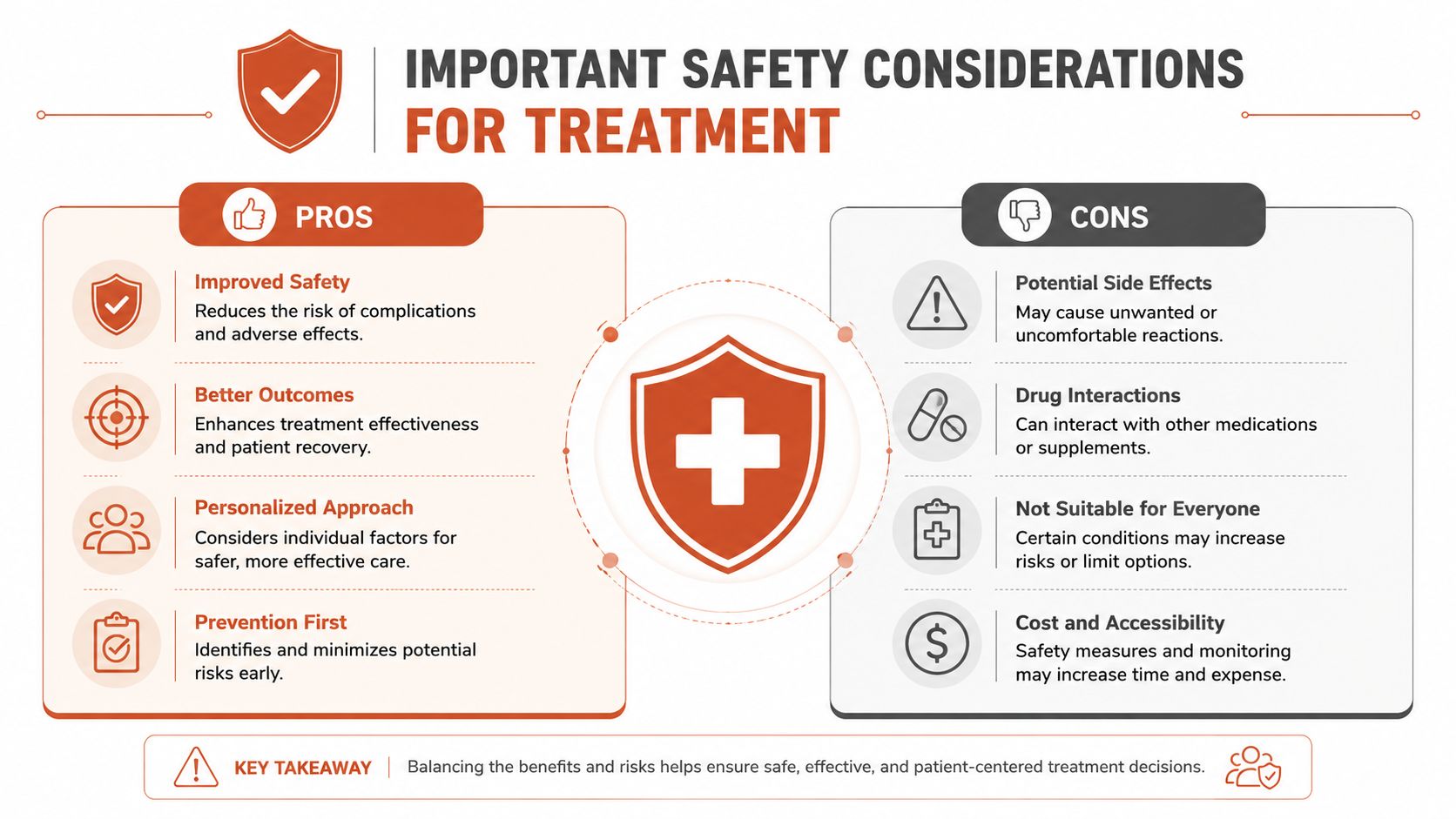
The right hemorrhoid medicine also has to be safe for your situation. That sounds obvious, but it’s easy to miss when you’re focused on getting relief fast.
Pregnancy, breastfeeding, and ingredient choice
Pregnancy and breastfeeding change the calculation. The issue isn’t just whether a product might help. It’s whether the ingredient choice, duration, and route of use make sense for that stage of life. In such situations, self-treating with multiple products at once can get messy.
A provider should know if you’re pregnant, recently postpartum, or breastfeeding before recommending a treatment plan. That lets a provider narrow treatment toward symptom relief with a more careful risk-benefit review.
Bummed does have pregnancy-safe options available, including their Long-Acting Hemorrhoid & Fissure Rx Cream and Sensitive Care Hemorrhoid & Fissure Rx Cream, however always check with your provider before starting a new medication while pregnant.
Constipation from GLP-1 medications
Adults using GLP-1 medications often run into a specific pattern. The medicine slows digestion for some people, stool gets harder or less frequent, straining increases, and hemorrhoids flare. In that scenario, a topical can still help, but it won’t be enough if constipation is left unaddressed.
It’s like putting lotion on a blister while still wearing the shoe that caused it. You may feel some relief, but the friction keeps returning.
A safer, more effective plan usually includes:
- Bowel habit support: Focus on regularity and softer stools.
- Hydration attention: Fluid intake matters more when constipation is part of the picture.
- Targeted topical use: Match the cream to pain, itch, or inflammation, not as a standalone fix.
- Medication review: Tell your provider about everything you’re taking, including weight-loss medications and supplements.
Safety note: More products doesn’t always mean better treatment. Overlapping ingredients can add irritation or confusion without adding benefit.
When a provider needs the full picture
Some ingredients may be reasonable for one person and a poor fit for another. That’s especially true if you’ve had prior anorectal surgery, significant rectal pain, ongoing bleeding, skin sensitivity, or a history of reactions to topical products.
A good medication choice comes from context. The same cream that helps one adult through a short flare may be the wrong move for someone whose symptoms point toward a fissure, thrombosed hemorrhoid, or another diagnosis entirely.
When At-Home Treatment Is Not Enough
Most hemorrhoid flares don’t need emergency care. Many improve with stool-softening strategies, local symptom relief, and less straining. But there’s a line where continuing to self-treat stops being smart and starts delaying the care you need.
Signs you should contact a provider
A provider evaluation makes sense when the pattern looks off, the pain is escalating, or the symptoms aren’t responding the way they should.
Consider reaching out if you have:
- Symptoms that aren’t improving after a week: Especially if you’ve been consistent with home care.
- Persistent bleeding: Recurrent bleeding needs evaluation, even if you think hemorrhoids are the cause.
- A very painful lump: This is often a thrombosed external hemorrhoid — a blood clot has formed inside the tissue. It causes sudden, significant pain along with a hard, tender lump near the anus. It’s different from a typical flare and usually needs a provider to confirm what’s going on and whether draining the clot would help.
- Repeated flares: Recurrence often means your treatment plan hasn’t addressed the main driver.
The reason is simple. Hemorrhoids are common, but they aren’t the only cause of rectal pain or bleeding.
What Happens Next If Symptoms Persist
If medication and lifestyle changes aren’t resolving things, a provider may discuss procedural options like rubber band ligation or sclerotherapy — outpatient procedures that are more involved than a cream but far short of surgery.
Signs you shouldn’t wait on
Some symptoms deserve urgent in-person care rather than another round of creams.
Seek prompt medical evaluation if you have:
- Heavy bleeding
- Severe or rapidly worsening pain
- Symptoms that make it hard to function normally
- Concern that something feels dramatically different from prior flares
If you’re trying to decide whether your symptoms still fit home management or need in-person assessment, this guide on when hemorrhoids need in-person care and what doctor deals with hemorrhoids can help you sort out the next step.
You can also find a qualified colorectal surgeon here at this ASCRS Directory.
When symptoms break the usual pattern, the safest move is reassessment, not just a different cream.
How to Get Personalized Treatment Online

You have tried the pharmacy route. One cream numbed the area for a few hours, another reduced itch, and neither really matched the full pattern of symptoms. That is usually the point where online care becomes useful, not because it replaces an exam in every case, but because it adds medical judgment between trial-and-error and an office visit.
A good telehealth visit for hemorrhoids should do one thing well. It should sort your symptoms into a treatment plan that fits the problem in front of you. That’s where Bummed fits in.
What the telehealth process looks like
The process runs in four steps, and none of them require a waiting room:
- Symptom checker. A few targeted questions route you toward the right condition — hemorrhoids, a fissure, or another anorectal issue — in under two minutes.
- Secure medical intake. A brief health form covers timing, pain, itching, swelling, bowel habits, bleeding, medications, allergies, and any prior treatments, completed on your own schedule.
- Same-day clinician review. A licensed provider reviews your answers the same day, looks for warning signs, and decides whether home treatment, a prescription, or in-person evaluation makes the most sense.
- Same-day compounding and shipping. If a prescription is appropriate, Bummed’s compounding pharmacy partner mixes the exact formula and ships it that evening — most patients receive it in 2 to 3 business days.
That screening step in the middle matters most. Rectal symptoms are easy to mislabel, especially when people assume every flare is “just hemorrhoids.” Online care works best when the service is willing to say, “this needs an in-person exam,” instead of pushing a prescription to everyone.
Why personalized combinations can be useful
Hemorrhoid treatment often works like fixing both the splinter and the pressure causing it. One part of the plan calms the irritated tissue. Another reduces the strain, friction, or bowel habit that keeps re-triggering the flare.
That is why a personalized approach can be more useful than rotating through random over-the-counter products. If burning and pain are the main issue, the ingredient choice may differ from a case driven mostly by itch or inflammation. If constipation is part of the cycle, a topical product alone usually will not solve it. As noted earlier, fiber and bowel habit support often matter just as much as what goes on the skin.
Custom prescription creams can also help when symptoms overlap. A provider may recommend a formula designed around your specific mix of pain, irritation, swelling, or difficult bowel movements, rather than asking you to stack several products and hope they work together.
You can read more in getting prescribed hemorrhoid treatment online. Adults complete a secure intake, and a board-certified provider reviews the case the same day. If appropriate, the pharmacy ships the prescription discreetly to a partner pharmacy. Bummed offers that model with a $49 consultation, medications around $65 for roughly a three-month supply, 12 months of refills, and FSA/HSA eligibility.
When this route makes the most sense
Online personalized treatment is often a good fit when:
- OTC products only partly helped: You got some relief, but the flare keeps returning or never fully settled.
- Your symptoms do not fit one simple category: For example, pain plus itch, or swelling plus bowel-movement discomfort.
- You want a clearer ingredient match: You are trying to choose treatment based on symptoms, not packaging claims.
- Privacy and follow-up matter to you: Some patients are more likely to get care if the process is discreet and easy to continue.
Used well, telehealth gives you a decision framework. Start with symptom pattern, match the active ingredients to the main problem, and escalate when the presentation is more complicated than an OTC cream should handle. That is often the smartest middle ground for adults who need more than self-treatment but do not clearly need a procedure.
Frequently Asked Questions About Hemorrhoid Medicine
How quickly should hemorrhoid medicine work
You apply a cream at night because the burning is keeping you awake. By the next day, the area may feel less irritated, but the flare itself is not always gone.
That timeline is normal. Topical hemorrhoid medicine often relieves surface symptoms first, especially itching, burning, and soreness. Swelling, bleeding, and pain tied to straining can take longer because the medicine can calm inflamed tissue, but it does not remove the pressure that caused the flare in the first place. Stool habits still matter.
A practical benchmark is several days of steady improvement, with many mild cases settling within about a week of home treatment, as noted earlier. If symptoms are unchanged, worsening, or returning as soon as treatment stops, the next step is to reconsider the ingredient match or the diagnosis, not to keep cycling through random products.
For more on what to expect from specific ingredients and timelines, see our best hemorrhoid cream guide.
Can I use different hemorrhoid products at the same time
Sometimes, but only if you know why each one is being used.
Two different boxes can contain overlapping ingredients, and that raises the chance of irritation or overuse without giving better relief. One may contain a local anesthetic for pain, another a steroid for itch and inflammation, and a third an astringent meant to dry weeping tissue. Piling them on can leave already sensitive skin more inflamed.
The safer approach is to match one product, or one planned combination, to the main symptom pattern. Pain calls for a pain-focused product; itch and irritation call for something different. When you’re not sure what’s actually causing the symptom, get medical guidance before mixing products.
A multi-disciplinary team — a colorectal surgeon, an OBGYN, and a gastroenterologist — developed Bummed’s medications to ensure all ingredients work well together for maximum healing. If you are experiencing multiple symptoms, we advise consulting with one of our providers.
Are oral medications for hemorrhoids effective
They can be, in selected cases.
The American Society of Colon and Rectal Surgeons notes that medical therapy for hemorrhoids has limited supporting evidence overall, even though it carries little harm for many patients, and flavonoids are among the options that have been studied for symptom relief in some cases: ASCRS hemorrhoid clinical practice guideline.
The trade-off is straightforward. Oral treatments may help some people, especially when bleeding or irritation is part of the picture, but they are not a universal fix, and they do not replace bowel habit changes or evaluation for persistent bleeding. If symptoms do not fit a simple OTC approach, a personalized plan can make more sense than adding one more over-the-counter product and hoping it covers every symptom.
What OTC treatment works fastest for hemorrhoid symptoms?
Phenylephrine-based products tend to act quickest for swelling, often within an hour, though the effect is short-lived. Lidocaine numbs pain in a similar timeframe. Neither ingredient shrinks a hemorrhoid permanently — they manage the symptom while the underlying cause (usually constipation-related straining) gets addressed separately.
If you’re tired of guessing, Bummed offers online evaluation and treatments for adults dealing with hemorrhoids and related anorectal symptoms. And if you want to go deeper on ingredients and treatment tiers before your visit, start with our best hemorrhoid cream guide.
Content on Bummed is for general education and should never replace professional medical advice that considers your individual health. Bummed adapted content from Dr. Carmen Fong’s book, Constipation Nation. If you think you’re experiencing a medical emergency, call 911 or head to the nearest emergency department. Prescription products require an online consultation with a physician who will determine if a prescription is appropriate.