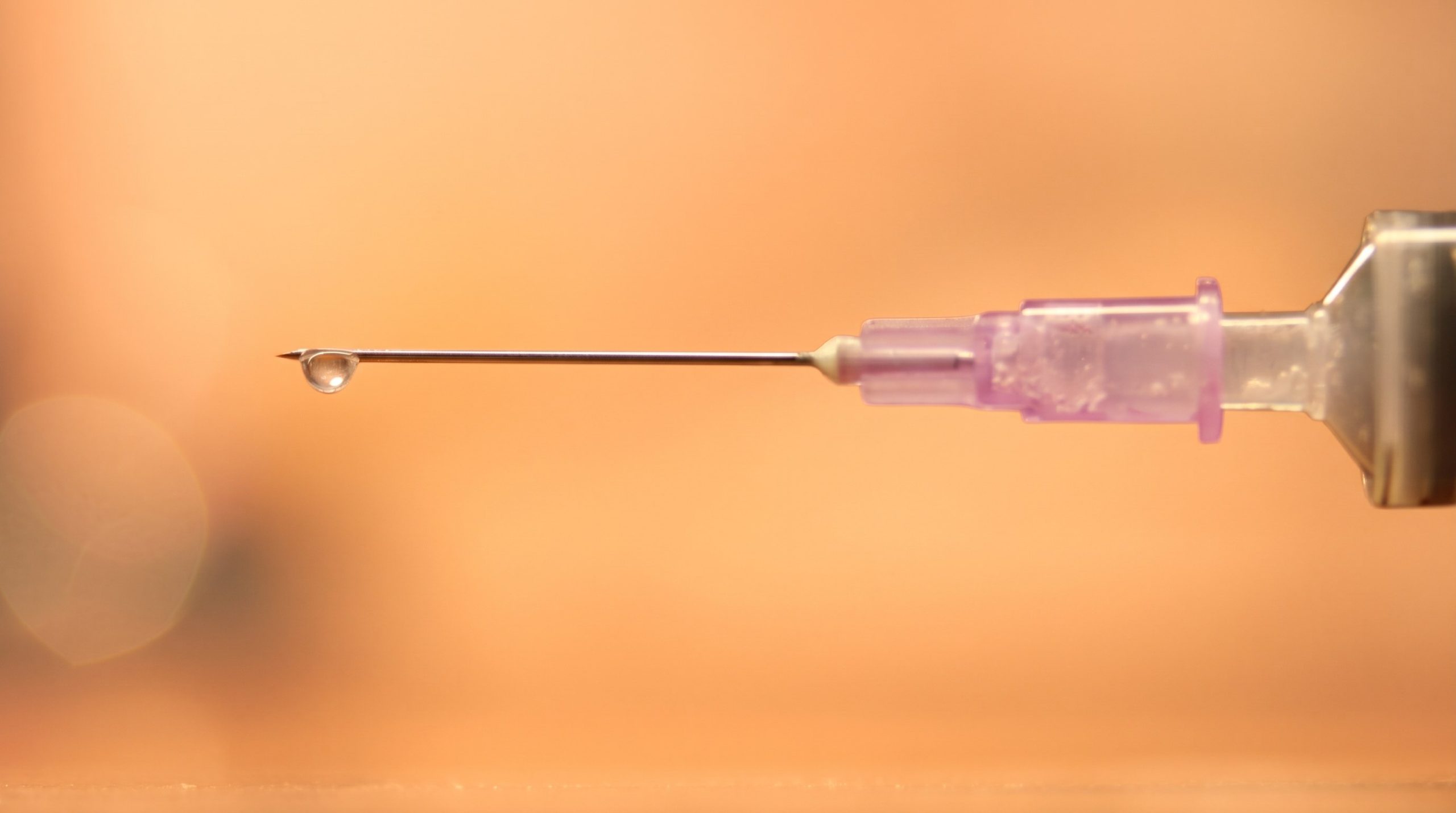


Quick answer: Botox injected into the internal anal sphincter relaxes the muscle for a few months, so blood flow returns and a chronic fissure can heal. It heals roughly 60% to 85% of chronic fissures without surgery. The trade-off is that 30% to 40% come back within 1 to 3 years. Most people try a prescription cream first and move to Botox if the fissure hasn’t healed after 6 to 8 weeks.
- Botox is usually a quick outpatient procedure, and the effect wears off on its own.
- Short-term trouble holding gas is the most common side effect, and it’s temporary.
- It’s the middle step between prescription creams and surgery.
If a fissure has hurt with every bowel movement for months, “Botox” can sound like an odd fix. It isn’t the cosmetic kind of treatment. Here, a small dose relaxes a muscle that’s clamped too tight to let the tear heal. Bummed’s Chief Medical Officer, colorectal surgeon Dr. Carmen Fong, told Out that Botox now works well enough that she rarely needs to do surgery for fissures. Here’s how it works, who it’s for and what recovery looks like.
Why chronic fissures need a muscle relaxant
An anal fissure is a small tear in the lining of the anal canal. Fresh tears usually heal in a few weeks. A fissure that lasts longer than 6 weeks is chronic, and the internal anal sphincter is usually the reason. Dr. Fong calls fissures “probably one of the most painful things I deal with” (All Out).
Pain makes that muscle spasm. The spasm squeezes the tear and cuts off its blood supply. Without blood flow, the tear can’t close, and the next bowel movement reopens it. Every treatment that works on chronic fissures, from creams to Botox to surgery, breaks that cycle by relaxing the sphincter.
How Botox for anal fissure works
Botulinum toxin blocks the nerve signals that tell the internal sphincter to contract. A surgeon injects a small dose into the muscle, usually on one or both sides of the fissure. Over the next several days, the muscle relaxes, pressure drops and blood flow to the tear improves.
The effect is temporary. It typically lasts about 3-6months, which is long enough for most fissures to heal. As the toxin wears off, the muscle returns to normal tone. That’s the key difference from surgery, which permanently divides part of the muscle.
How well does Botox work?
A 2025 systematic review of 23 studies found that Botox heals 60% to 85% of chronic anal fissures. It also found that 30% to 40% come back within 1 to 3 years, which sometimes means a second injection or surgery (Oad et al., Annals of Medicine and Surgery, 2025).
| Treatment | Healing rate | Main downside | Where it fits |
| Prescription cream (diltiazem, nifedipine, nitroglycerin) | About half of chronic fissures | Daily use for 6 to 8 weeks; nitroglycerin can cause headaches | First step |
| Botox injection | 60% to 85% | 30% to 40% recur within 1 to 3 years | When creams haven’t worked |
| Lateral internal sphincterotomy (LIS) | 90% to 95% | 5% to 15% risk of some lasting loss of bowel control | When Botox hasn’t worked, or for severe chronic fissures |
Sources: Oad et al., 2025; ASCRS guidelines, via AAFP.
In trials comparing Botox head-to-head with nitroglycerin ointment, healing and recurrence rates were similar, but Botox caused far fewer headaches (Sahebally et al., Colorectal Disease, 2018).
Should you try a prescription cream first?
For most people, yes. The American Society of Colon and Rectal Surgeons recommends topical calcium channel blockers like diltiazem as a first-line treatment for chronic fissures, with Botox as the next step if they don’t work (ASCRS guidelines, via AAFP). Creams relax the same muscle, just more gradually, and they don’t need a procedure.
Bummed providers can prescribe compounded creams that do this from home:
- Long-Acting uses diltiazem. It’s the first choice for most fissures.
- Sensitive Care uses nifedipine and is gentler on sensitive skin.
- Rapid Relief uses nitroglycerin. It can work quickly but may cause headaches, and it isn’t used in pregnancy or breastfeeding.
Try a cream before an injection. A Bummed provider can review your symptoms online and, if appropriate, prescribe Long-Acting or another compounded cream, shipped discreetly. Treatments are $65 for a 3-month supply, plus a $49 first consult. Find my treatment
If you’ve used a cream consistently for 6 to 8 weeks and the fissure still hasn’t healed, that’s the point to see a colorectal surgeon about Botox. For the full ladder of options, see the best treatment for anal fissure.
What the procedure is like
- Consultation and exam. A colorectal surgeon confirms it’s a fissure and checks for anything else, like a fissure in an unusual spot that could point to another condition.
- The injection. It takes a few minutes. Depending on the practice, it’s done in the office with numbing medicine or in a procedure room with light sedation. Sometimes it’s combined with removing scar tissue or a skin tag at the same visit.
- Going home. Most people go home the same day and get back to normal activities within a day or two.
There’s no single standard dose. Studies use a wide range, and surgeons choose based on the fissure and the patient. Ask your surgeon whether it’s covered: Dr. Fong said on Ologies that insurance typically covers it.
Side effects and risks
- Temporary trouble holding gas or stool. This is the most common side effect. It usually improves within weeks as the toxin wears off.
- Bruising or soreness at the injection site.
- Recurrence. The fissure can come back after the effect fades, especially if constipation or straining returns.
Lasting incontinence after Botox is rare, which is the main reason many people choose it before surgery.
Recovery: how to help it heal
Botox buys the fissure time. What you do during those months decides whether it stays healed.
- Keep stool soft. 25 to 35 g of fiber a day, plenty of water, and a stool softener if you need one.
- Don’t strain, and don’t sit on the toilet for long stretches.
- Take warm sitz baths in the bathtub for pain and spasm.
- Keep using your cream if your surgeon recommends it alongside Botox.
Can you have anal sex (bottom) after anal Botox?
Not until the fissure has fully healed and your surgeon has cleared you. Botox relaxes the sphincter, so penetration may feel easier than usual. That doesn’t mean the tear has closed. Dr. Fong recommends taking 4 to 8 weeks off bottoming for a fissure so it heals “all the way instead of just partially” (Out). When you’re ready, start small and go slow. Our guide to an anal fissure from bottoming covers how to get back to it safely.
Can Botox help if bottoming hurts?
Sometimes, yes. Some people find bottoming painful even without a fissure because their sphincter and pelvic floor are naturally tight. Dr. Fong says this often goes along with other pelvic floor signs, like trouble urinating or urgency. For people who really struggle, her advice is to see a colorectal surgeon: “If you wanted a quick remedy, usually Botox will work,” she told All Out. While bottoming isn’t technically a medical indication for Botox (meaning, insurance won’t cover it), in most cases, bottoms also have anal fissures, which can be covered by insurance.
The slower option is serial dilation: using a set of graduated dilators, starting small and sizing up over time. Dr. Fong calls these great, though harder for someone who can’t fit anything in yet. And if you haven’t bottomed in about 6 months, she suggests starting with gentle dilation again, since that’s roughly how long the tissue takes to tighten back up.
Either way, start with an exam. Pain with bottoming can also come from a fissure, hemorrhoids or an infection, and those need different treatment.
Frequently asked questions
How long does anal Botox last?
The muscle-relaxing effect usually lasts about 3 months. Most fissures heal within that window.
Does Botox for anal fissure hurt?
The injection stings briefly. Most practices use numbing medicine or light sedation, and most people find it far less painful than the fissure itself.
How quickly does Botox work for a fissure?
The muscle starts relaxing within a few days. Pain often eases within 1 to 2 weeks, and healing takes several weeks.
Is Botox better than surgery for anal fissure?
Surgery (LIS) heals more fissures, 90% to 95%, but carries a 5% to 15% risk of some lasting loss of bowel control. Botox heals fewer and recurs more often, but its side effects are temporary. Many surgeons try Botox first.
What is “holetox”?
It’s slang for anal Botox. It’s mainly used for chronic anal fissures. Some colorectal surgeons, including Dr. Fong, also use it for people whose tight sphincter makes bottoming painful. Either way, it’s a medical procedure that starts with an exam.
Can Botox be repeated?
Yes. If a fissure comes back, a second injection is an option before surgery.
Bummed content is for general education and should never replace professional medical advice that considers your individual health. If you think you’re experiencing a medical emergency, call 911 or head to the nearest emergency department.
Prescription products require an online consultation with a physician who will determine if a prescription is appropriate. Consult with a medical provider before starting any medications, especially if you’re pregnant or breastfeeding.
References
- Oad S, et al. Efficacy of botulinum toxin in the treatment of chronic anal fissure: a comprehensive systematic review. Annals of Medicine and Surgery. 2025;87(8):5142–5152. https://pmc.ncbi.nlm.nih.gov/articles/PMC12333800/
- Davids JS, et al. ASCRS clinical practice guidelines for the management of anal fissures. Dis Colon Rectum. 2023. Summary: https://www.aafp.org/pubs/afp/issues/2024/0200/practice-guidelines-anal-fissures.html
- Sahebally SM, et al. Botulinum toxin injection vs topical nitrates for chronic anal fissure: an updated systematic review and meta-analysis of randomized controlled trials. Colorectal Disease. 2018. https://pubmed.ncbi.nlm.nih.gov/29166553/
- Messman-Rucker A. Anal fissures are painful and common. Here’s how to heal and get back to bottoming. Out. April 28, 2026. https://www.out.com/health/anal-fissures-treatment
- Ward A. Coloproctology (colon cancer + butt fun) with Dr. Carmen Fong. Ologies. March 11, 2026. https://www.alieward.com/ologies/coloproctology
- All Out. Interview with Dr. Carmen Fong on bottoming. YouTube. https://www.youtube.com/watch?v=jgcqvHImIPs