

That itch you can’t scratch often gets framed as a minor nuisance. It isn’t. Rectal itching, medically called pruritus ani, can interrupt sleep, make bowel movements stressful, and turn ordinary sitting, walking, or working into a constant distraction. It’s also common. Cleveland Clinic notes that pruritus ani affects approximately 1% to 5% of the general population in developed countries, with men about four times more likely to experience it than women.
The bigger gap is this. Many adults try random creams, harsh wiping, or internet folklore without knowing which rectal itching home remedies soothe skin and which ones keep the cycle going. Some simple measures help a lot. Others only feel helpful for a few minutes and leave the skin more irritated.
This guide focuses on evidence-informed relief, practical trade-offs, and the point where home care should stop and a provider should step in. If gut issues and food triggers seem to be part of the picture, it may also help to read about understanding Candida and gut health.
1. Warm Sitz Baths
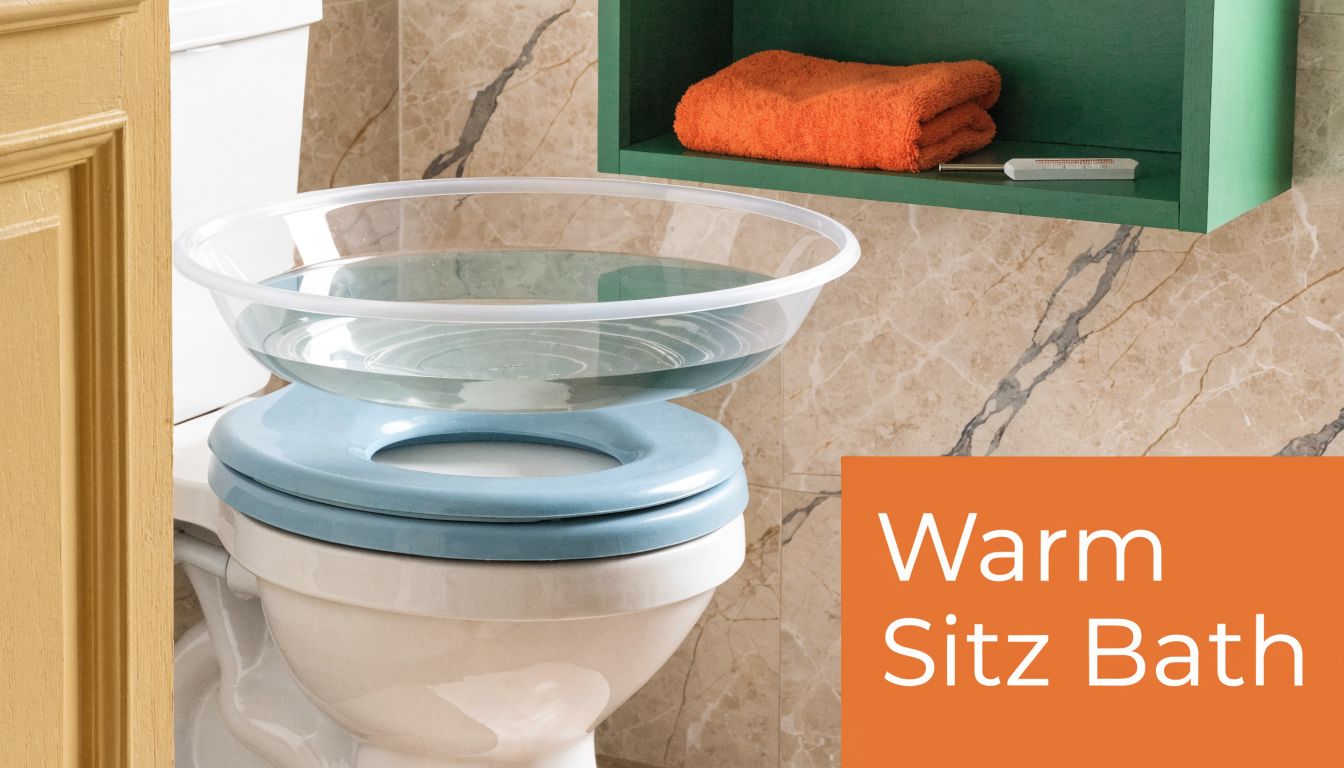
Warm water is one of the most reliable places to start. A sitz bath can calm irritated tissue after a bowel movement, ease the sting that comes with fissures or hemorrhoids, and help when itching is tied to local inflammation rather than infection.
For many adults, the best setup is simple: a basin that fits over the toilet or a clean bathtub with a shallow layer of warm water. The water should feel soothing, not hot. Hot water may seem comforting at first, but it can dry and irritate already sensitive skin.
When a sitz bath helps most
This remedy tends to work best when the itch flares after bowel movements or at night, which is a pattern often seen with pruritus ani as described by Cleveland Clinic. After soaking, pat the area dry gently with a soft towel or use a hair dryer on a cool setting. Rubbing the skin is a common mistake.
Practical rule: Warmth should relax the area. If the bath leaves you redder, drier, or more irritated, the water is too hot or you’re staying in too long.
A real-world example: someone with itching plus minor hemorrhoid irritation often does better with one warm soak after the morning bowel movement and another before bed than with repeated wiping and reapplying random creams all day. Sitz baths don’t treat every cause, but they lower the “background noise” of irritation so the skin can settle.
2. A High-Fiber Diet and Proper Hydration

Sometimes the fix isn’t on the skin. It’s in the stool. Hard bowel movements, straining, and incomplete cleaning after constipation can all keep the anal area irritated.
Mayo Clinic recommends supportive treatments such as zinc oxide ointment and short-term hydrocortisone, and it also points patients toward basic self-care that reduces repeat irritation, including addressing stool-related triggers through diet and bowel habits in its anal itching treatment guidance. In practice, that means fiber and fluids matter because they make bowel movements easier to pass and easier to clean up after.
Why stool texture matters
When stool is dry or fragmented, people often wipe more aggressively. When stool is loose, moisture and residue can sit on the skin. Both patterns can cause itching. That’s why a steady, moderate-fiber eating pattern is often more helpful than swinging between “healthy” days and low-fiber convenience food.
Useful options include:
Breakfast anchor: Oatmeal, berries, chia, or whole-grain toast can make mornings more predictable.
Supplement support: Psyllium can help some adults, but it works best when taken with enough water.
Medication context: Constipation from GLP-1 medications can make rectal symptoms harder to control, so diet changes may need to be more deliberate.
If constipation is part of the cycle, our guide to high-fiber foods for constipation can help with practical food choices. For appetite swings or eating pattern changes, some adults also look at resources on managing hunger for fitness goals, especially when their diet has become inconsistent.
3. Witch Hazel Compresses

Witch hazel sits in the “can help some people” category. It can feel cooling and mildly soothing, especially when the area feels swollen, irritated, or damp. For adults with mild external irritation, a cool alcohol-free witch hazel pad after gentle cleansing may calm things down without much fuss.
The trade-off is dryness. Anything astringent can overdo it on fragile skin, particularly if you’re applying it repeatedly after every bathroom trip.
Where witch hazel fits and where it doesn’t
Witch hazel makes the most sense when itching is mild and external. It makes less sense when there’s broken skin, a suspected fissure, or a burning rash that already feels raw. In those situations, “drying it out” can backfire.
Cooling relief is helpful. Over-drying isn’t.
A practical example: if someone gets mild itch after workouts because sweat sits in the area, one brief pass with an alcohol-free witch hazel pad followed by air-drying may be reasonable. If the same person starts using multiple medicated wipes, fragranced cleansers, and witch hazel every few hours, the skin usually gets angrier, not calmer.
Natural remedies do show up often in self-care advice, but the broader problem is that these approaches lack strong standardization and tracking, while persistent symptoms still need medical evaluation, as summarized in this review of the home-remedy landscape. That’s why we treat witch hazel as an option, not a cure.
4. Protective Barrier Ointments
If the itch is more about needing protection for the skin than requiring additional treatment, a barrier ointment might be helpful.
These ointments are beneficial when the skin is frequently irritated by factors such as moisture, stool seepage, sweat, friction, or excessive wiping. In such situations, the skin barrier remains compromised, leading to ongoing reactions from everyday contact. Applying a thin layer of zinc oxide or plain petroleum jelly can minimize exposure and allow the skin to recover.
Major references in colorectal and primary care often mention zinc oxide as an effective moisture barrier for pruritus ani. Simpler formulations typically pose fewer issues compared to those containing fragrances, botanicals, or numerous additives.
Use a Thin Layer, Not a Paste
Apply a small amount to clean, dry external skin. More is not better. A thick layer can retain moisture, transfer to clothing, and complicate cleanup after bowel movements.
This approach suits situations where someone exercises, sits for long periods, experiences mild leakage, or notices increased itching in warm weather. In these cases, ongoing irritation is often the problem rather than a condition needing an immediate strong active ingredient.
During pregnancy, barrier ointments are often a sensible choice. Zinc oxide and petroleum jelly are generally considered low-risk topical options as they act on the skin surface rather than as medicated creams. However, if symptoms are persistent, painful, involve bleeding, or are related to hemorrhoids, fissures, or a rash, consulting an obstetric or primary care clinician before using stronger treatments is advisable.
For those looking for a more targeted solution, consider Bummed's pruritus ani rx cream, which offers relief for itching and irritation. Learn more about it here – Bummed's pruritus ani rx cream. It's made up of Clotrimazole, a proven antifungal that fights yeast and fungal overgrowth linked to anal itching, as well as hydrocortisone to calm inflammation, reduce redness, and stop the itch-scratch cycle.
GLP-1 medications can introduce challenges such as constipation, diarrhea, and increased wiping, which may irritate anal skin. A barrier ointment can help reduce friction during these times, though it won't address the underlying bowel pattern causing the issue.
For adults considering short-term medicated options beyond basic barriers, our guide to lidocaine and hydrocortisone cream provides insight into when these ingredients can be beneficial and when they might not be suitable for casual use.
A barrier ointment acts like a protective layer for irritated skin. While it may not address every cause of rectal itching, it can lessen the day-to-day exposure that perpetuates mild irritation.
5. Gentle Hygiene Practices
Many cases of rectal itching get worse because people try too hard to stay clean. The skin around the anus is delicate. Fragranced soaps, vigorous scrubbing, rough toilet paper, and repeated use of wet wipes can strip away the surface barrier and create a cycle of sting, itch, wipe, repeat.
Gentle hygiene sounds underwhelming, but it’s foundational. Clean the area with water or very mild, unscented products if needed. Then dry carefully. Moisture left behind after a shower, workout, or bowel movement is a common trigger.
Clean is enough
The standard isn’t sterile. It’s calm skin.
Helpful habits include:
Use water first: A rinse in the shower, a bidet, or a damp unscented cloth is often less irritating than dry wiping alone.
Skip fragrance: Scented soaps, deodorizing sprays, and many “flushable” wipes often worsen irritation.
Choose breathable fabric: Cotton underwear and looser clothing can reduce trapped sweat and friction.
This matters even more when symptoms become recurrent. Our overview of pruritus ani treatment and how to stop anal itching fast goes deeper on what tends to help versus what tends to keep the cycle going.
A common scenario is someone who showers twice a day, uses body wash on the area, and still feels itchy at night. In that case, the problem may not be “not clean enough.” It may be over-cleansing.
6. Avoiding Dietary Irritants
Food can absolutely play a role, but people often get too broad and too strict. You usually don’t need a complete diet overhaul. You need pattern recognition.
Cleveland Clinic lists coffee, alcohol, spicy foods, and dairy among common irritants that may worsen anal itching in some adults with pruritus ani. These triggers aren’t universal. One person reacts to coffee and hot sauce. Another notices no issue with either but flares after alcohol and late-night takeout.
How to test food triggers without overcomplicating it
A food diary works because memory is bad at detail. Write down what you ate, when the itch started, stool consistency, and whether the flare happened after a bowel movement. After a short stretch, patterns often become clearer.
Try this approach:
Keep the trial simple: Remove likely triggers for a brief period, then reintroduce one at a time.
Watch the full context: Symptoms may reflect both food and stool changes, not just one culprit ingredient.
Look beyond spice: Highly processed meals, large alcohol intake, or low-fiber days can all change bowel habits.
For adults whose bloating or constipation overlaps with itching, our article on the hidden role of FODMAPs and how enzymes help may add useful context.
This is one of the most practical rectal itching home remedies because it can reduce repeat flares. It’s also one of the easiest to overdo. Don’t turn a short elimination trial into a confusing long-term diet unless you and your provider have a clear reason.
7. Cool Compresses
Cold works differently from warmth. A cool compress won’t soften stool or protect the skin barrier, but it can quiet an intense itch fast enough to stop scratching. That matters because scratching creates more inflammation, more skin damage, and then more itching.
Use a clean cloth with cool water, or wrap a cold pack in fabric. Never place ice directly on the skin. Brief application is enough.
Use cold to interrupt the itch-scratch cycle
This approach is best for sudden flares. For example, someone who gets a burst of itching after exercise or before bed may get quick relief from a cool compress followed by careful drying and a barrier ointment. It’s less useful as a standalone remedy for recurring daily symptoms.
An observational study of a topical lidocaine composite ointment in 20 patients reported rapid symptom improvement for most patients within 72 hours, with 90% reaching complete symptom resolution by 2 weeks and no significant adverse events in the study, according to the published report. That study wasn’t about cool compresses, but it does highlight an important point. Quick symptom relief matters because intense itch tends to snowball when you leave it untreated.
Short-term soothing is valuable. Persistent itching still needs a diagnosis.
Quick Comparison of 8 Rectal Itching Home Remedies
| Item | Implementation Complexity 🔄 | Resource Requirements ⚡ | Expected Outcomes ⭐ | Ideal Use Cases 💡 | Key Advantages 📊 |
|---|---|---|---|---|---|
| 1. Warm Sitz Baths | 🔄 Low | ⚡ Low, basin & warm water | ⭐⭐⭐ Immediate symptom relief; reduces sphincter spasm | Post-bowel movement itching, hemorrhoids, fissures | Fast, non-pharmacologic relief; increases blood flow |
| 2. High-Fiber Diet & Hydration | 🔄🔄 Moderate, habit change | ⚡⚡ Low–Moderate, food, water, supplements | ⭐⭐⭐ Prevents constipation; improves stool consistency | Chronic constipation, prevention, GLP-1 related constipation | Addresses root cause; long-term stool normalization |
| 3. Witch Hazel Compresses | 🔄 Low | ⚡ Low, pads or liquid (prefer alcohol-free) | ⭐⭐ Soothes, reduces swelling; temporary relief | External hemorrhoid discomfort, topical itching | Cooling astringent effect; easy topical application |
| 4. Protective Barrier Ointments | 🔄 Low | ⚡ Low, petroleum/zinc cream | ⭐⭐ Protects skin, reduces friction; aids healing | Moist or irritated perianal skin, post-cleansing protection | Creates physical barrier; locks in moisture; simple |
| 5. Gentle Hygiene Practices | 🔄 Low | ⚡ Low, soft TP, bidet or peri-bottle | ⭐⭐⭐ Prevents recurrence; reduces irritation | Anyone with irritation from over-wiping or harsh soaps | Foundational prevention; non-invasive and low cost |
| 6. Avoiding Dietary Irritants | 🔄🔄 Moderate, elimination diet | ⚡⚡ Low–Moderate, food diary, trial eliminations | ⭐⭐ Variable; can markedly reduce flares if triggers found | Suspected food-triggered pruritus, flare management | Personalized trigger reduction; lowers internal irritation |
| 7. Cool Compresses | 🔄 Low | ⚡ Low, cold cloth or wrapped ice pack | ⭐⭐ Short-term numbing; breaks itch-scratch cycle | Acute, intense itching episodes | Immediate symptom control; useful adjunct to other measures |
| 8. Prescription Creams | 🔄🔄 Moderate | ⚡⚡ Moderate, requires prescription | ⭐⭐⭐⭐ Long-term relief; reduces inflammation | Persistent pruritus ani, when over-the-counter options are ineffective | Provides targeted relief; reduces inflammation and irritation |
For prescription creams, consider Bummed's pruritus ani treatment, which is specifically designed to manage itching and irritation in the anal area. This product can be found at Bummed's Anti-Itch Treatment.
Take Control of Your Comfort
What can help when anal itching keeps pulling your attention all day or waking you up at night?
The best home plan is usually simple and repeatable. Use warm water, dry the area gently, reduce friction, avoid fragranced products, keep stools soft, and protect irritated skin if moisture is part of the problem. In practice, that plain routine often works better than rotating through strong cleansers, numbing creams, and multiple over the counter treatments that irritate the skin further.
Home care also has limits. A short trial of zinc oxide or 1% hydrocortisone can calm inflammation for some adults, but steroids are a temporary tool, not a long-term fix. If the itch improves only while the cream is on, then returns as soon as you stop, the underlying cause is probably still there. That may be hemorrhoids, a small fissure, dermatitis, lingering moisture, or incomplete cleanup after bowel movements.
Some situations need a more individualized plan from the start. Pregnancy changes what products make sense and lowers the threshold for asking a clinician before using medicated creams. GLP-1 medications can complicate the picture too, because constipation, straining, and messier bowel movements can keep the skin irritated even when hygiene is otherwise good. In both cases, generic advice like “use more fiber” can be too blunt to solve the underlying problem.
Set a clear endpoint for self-treatment. If symptoms last more than about two weeks, keep coming back, or involve pain, bleeding, skin breakdown, a new lump, or significant discomfort, get evaluated. That is not overreacting. It is the right next step when a short home trial has done all it can do.
Bummed helps adults move from trial-and-error self-care to clinician-reviewed prescription treatment when home remedies are not enough. The process is discreet, practical, and designed for real life.
Frequently asked questions about rectal itching home remedies
How long should we try home remedies before seeing a provider
A reasonable home trial is short. If the itching persists beyond about two weeks, or it keeps recurring despite good hygiene, barrier care, and stool management, it’s time to get evaluated. Persistent symptoms can reflect hemorrhoids, fissures, dermatitis, infection, or another issue that needs a more targeted plan.
Can hydrocortisone cream help rectal itching
Yes, sometimes. Short-term use of 1% hydrocortisone can reduce inflammation and itching. It’s best treated as a limited trial, not a long-term habit, because repeated steroid use can thin the skin. If it only partially helps or symptoms return quickly, get assessed instead of continuing indefinitely.
Are home remedies enough during pregnancy
Sometimes, but not always. Pregnancy can increase constipation, hemorrhoids, and fissure risk, while also narrowing which products are appropriate. Gentle cleansing, careful drying, stool-softening habits, and simple barriers may help, but pregnancy-related symptoms deserve lower-threshold medical guidance because standard over-the-counter advice may not fit your situation.
Can GLP-1 medications make rectal itching worse
They can contribute indirectly. GLP-1 medications can cause constipation, and constipation can lead to straining, harder stools, fissures, hemorrhoid flares, and more difficult cleanup after bowel movements. If rectal itching started or worsened after starting one of these medications, a provider can help address the constipation pattern and the local symptoms together.
What symptoms mean it’s time to stop self-treating
Stop relying on home remedies alone if symptoms are persistent, worsening, or linked to significant pain, visible skin injury, or another anorectal condition that isn’t improving. In general, home care should make things steadily calmer. If it doesn’t, the diagnosis needs another look.
Bummed offers discreet anorectal telehealth for adults dealing with hemorrhoids, anal fissures, pruritus ani, and related symptoms. In a short online intake, your symptoms are reviewed the same day by a board-certified provider, who may prescribe treatment if appropriate. Prescriptions are compounded, shipped discreetly, and designed for people who want expert care without long waits, insurance hassles, or an in-person visit.
Bummed content is for general education and should never replace professional medical advice that considers your individual health. If you think you’re experiencing a medical emergency, call 911 or head to the nearest emergency department.
Prescription products require an online consultation with a physician who will determine if a prescription is appropriate.