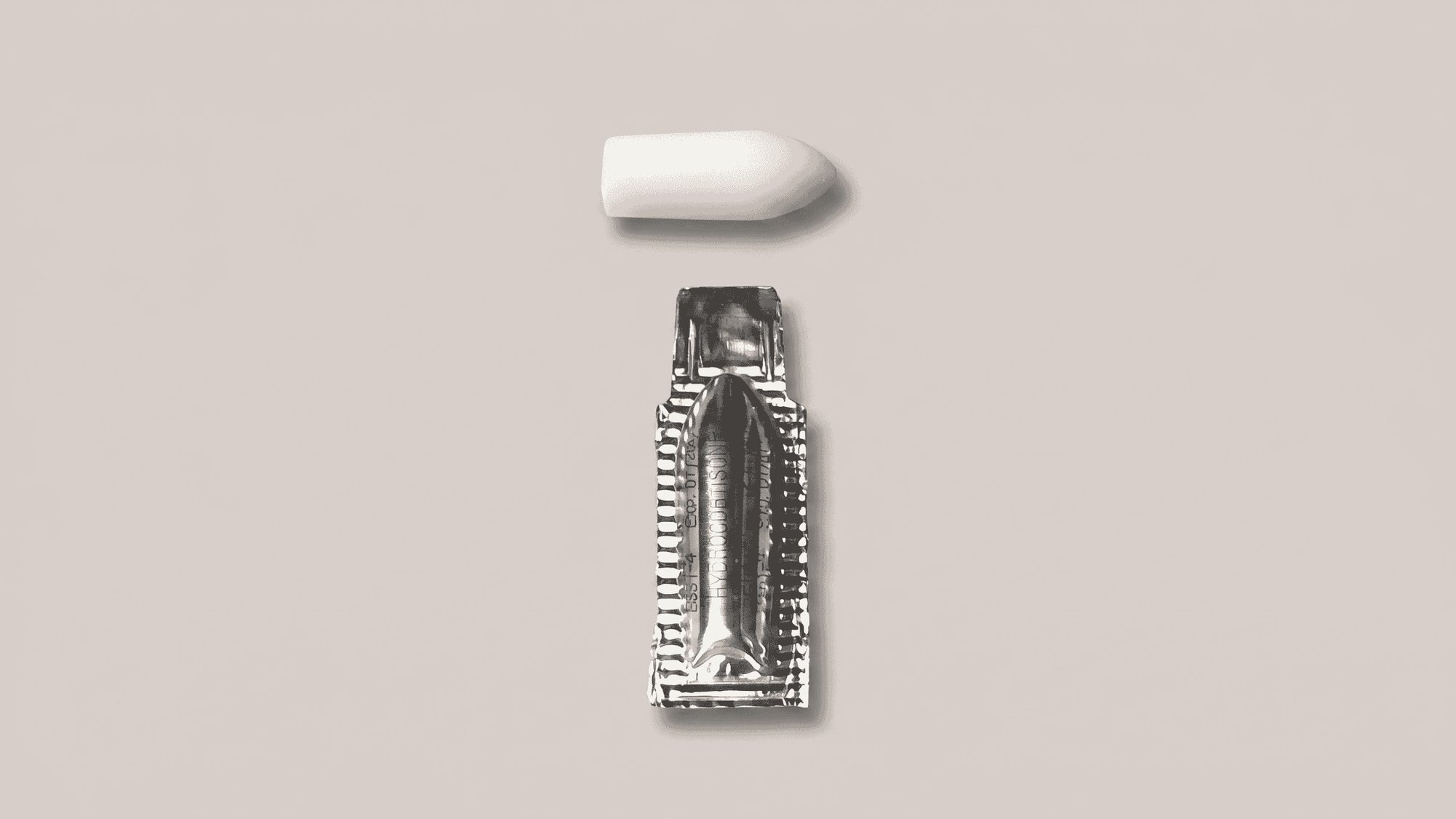


Rectal burning after the first dose can make anyone second-guess the prescription in their hand. That reaction is common with hydrocortisone suppositories, but it’s also the reason people search for answers fast. They want to know what’s normal, what’s not, and when the medication itself may be creating a new problem.
Hydrocortisone can calm anorectal inflammation, but it isn’t a gentle product for everyone. In practice, the biggest issue isn’t usually a dramatic steroid complication on day one. It’s the more ordinary pattern of irritation, dryness, and thinning that makes an already sensitive area feel harder to treat.
Understanding Hydrocortisone Suppositories and Their Purpose
A patient with rectal pain or internal hemorrhoid swelling often expects a suppository to be the most targeted option. That instinct makes sense. Hydrocortisone suppositories are designed to deliver a corticosteroid inside the anal canal and lower rectum, where they can reduce inflammation tied to hemorrhoids, proctitis, and similar anorectal irritation.
The benefit is straightforward. Hydrocortisone turns down the inflammatory response, which can ease swelling, itching, and discomfort. The trade-off is just as important. The same steroid effect that calms inflamed tissue can also stress delicate tissue if the product is used too long, used too often, or used on skin and mucosa that are already fragile.
A common misconception is that a suppository acts only locally, implying it is low-risk. In practice, rectal medications are often lower risk than systemic steroids, but they are not risk-free. The rectal lining absorbs medication, and the suppository base itself sits against sensitive tissue that may already be irritated by fissures, hemorrhoids, bowel movements, or wiping.
That is why purpose and timing matter. Standard hydrocortisone suppositories are usually best for short-term control of inflammation, not for repeated long stretches of recurring symptoms. If someone needs frequent treatment, we start asking a different question. Is the medication treating the problem, or is the formulation making a sensitive area harder to calm down?
Formulation matters more than many people realize.
A pre-formed suppository is a one-size-fits-most product. It places medication internally, but it also brings friction from insertion, contact with a fixed base, and limited flexibility in dose or coverage area. That can be a poor match for patients whose symptoms are partly internal, partly external, or concentrated in one especially tender area.
A more personalized approach often makes clinical sense. For some patients, especially those dealing with recurrent irritation or mixed internal and external symptoms, lidocaine and hydrocortisone cream options can offer more controllable symptom relief with less mechanical irritation than a standard suppository. At Bummed, that is the practical advantage of compounded creams. Bummed offers different formulations with as many as 6 active ingredients, best tailored to your symptoms. We also take a gentler approach, and include less hydrocortisone than most prescription creams or suppositories, which most patients are able to tolerate for longer-term.
Common Local Side Effects When First Starting
The most common hydrocortisone suppository side effects are local, not whole-body effects. That’s an important distinction because many people worry first about steroid absorption, when the day-to-day reality is usually irritation at the application site. We would also add that serious, prolonged side effects are dose-related, and Bummed uses low doses of hydrocortisone in its Anti-Itch cream for this very reason.
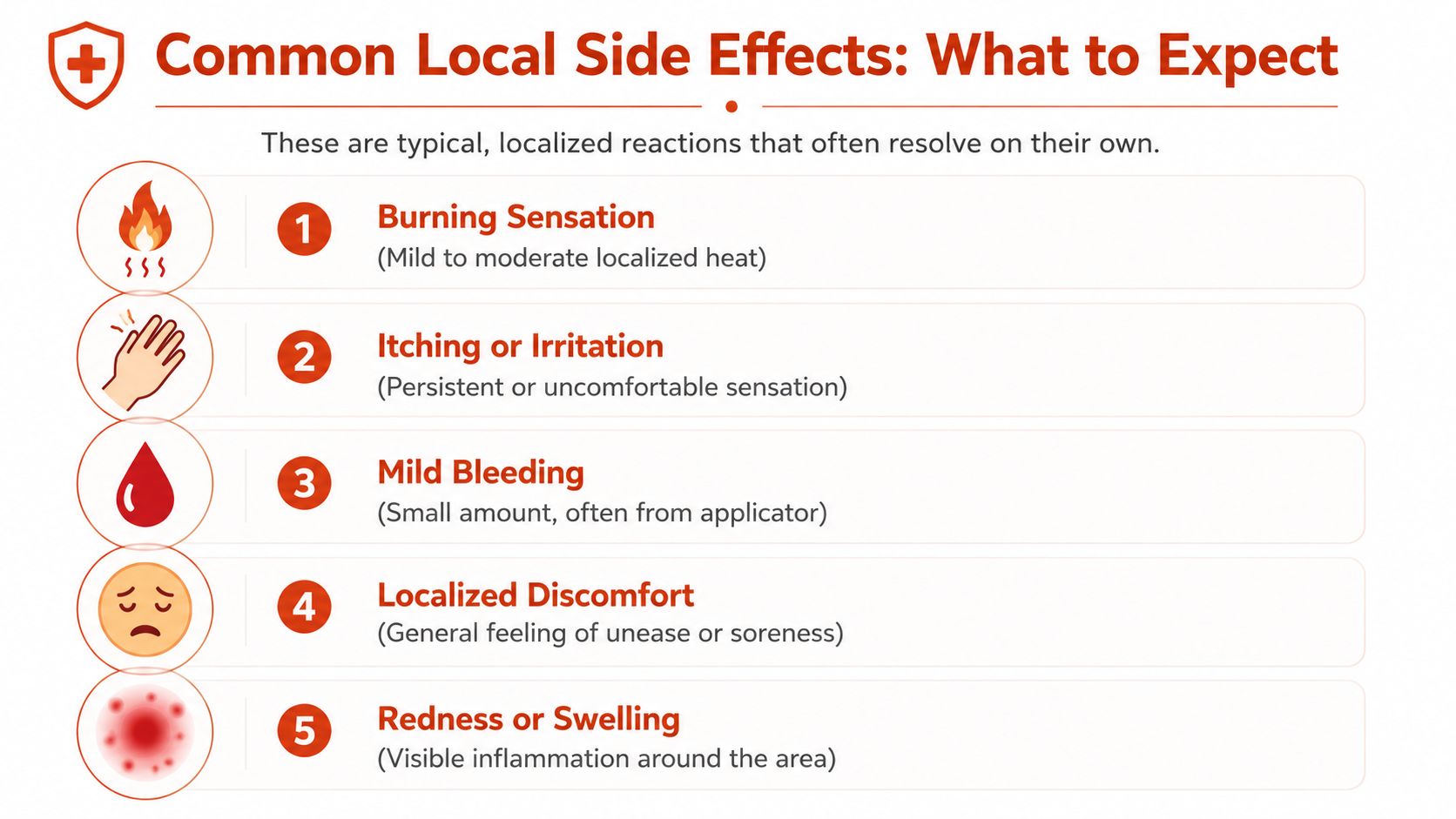
According to Cleveland Clinic’s hydrocortisone suppository guidance, the dominant short-term adverse effects are burning, itching, dryness, rectal pain, and minor bleeding. A brief increase in burning after the first application often lasts only a few minutes and may settle after a few days.
What usually happens early on
A mild sting right after insertion doesn’t automatically mean the medication is harming you. Inflamed anorectal tissue reacts to almost anything, including medicated products, friction, and bowel movements. The first few doses can feel worse before the area calms down.
Common early reactions include:
- Burning right after use that fades rather than builds
- Itching or irritation that stays mild and localized
- Dryness that makes the tissue feel tight or rubbed raw
- Rectal discomfort during or shortly after insertion
- Minor spotting or slight bleeding in a sensitive area
What’s less normal
Trouble starts when “temporary irritation” stops being temporary. If the area becomes progressively more inflamed, or if pain and bleeding keep increasing, the medication may be aggravating tissue that is already vulnerable.
One practical problem is that steroid products can make skin around the anus thinner with prolonged use. The tissue starts to look and feel more delicate, and patients often describe the area as raw, fragile, or easier to re-irritate.
Practical rule: Mild burning that fades is usually a tolerability issue. Burning that intensifies, persists, or comes with worsening bleeding needs a re-check.
If itching is your main complaint, non-steroid support measures can help reduce the urge to overuse medicated products. This guide to rectal itching home remedies covers practical ways to lower irritation without turning every flare into a steroid cycle.
Rare and Serious Side Effects from Prolonged Use
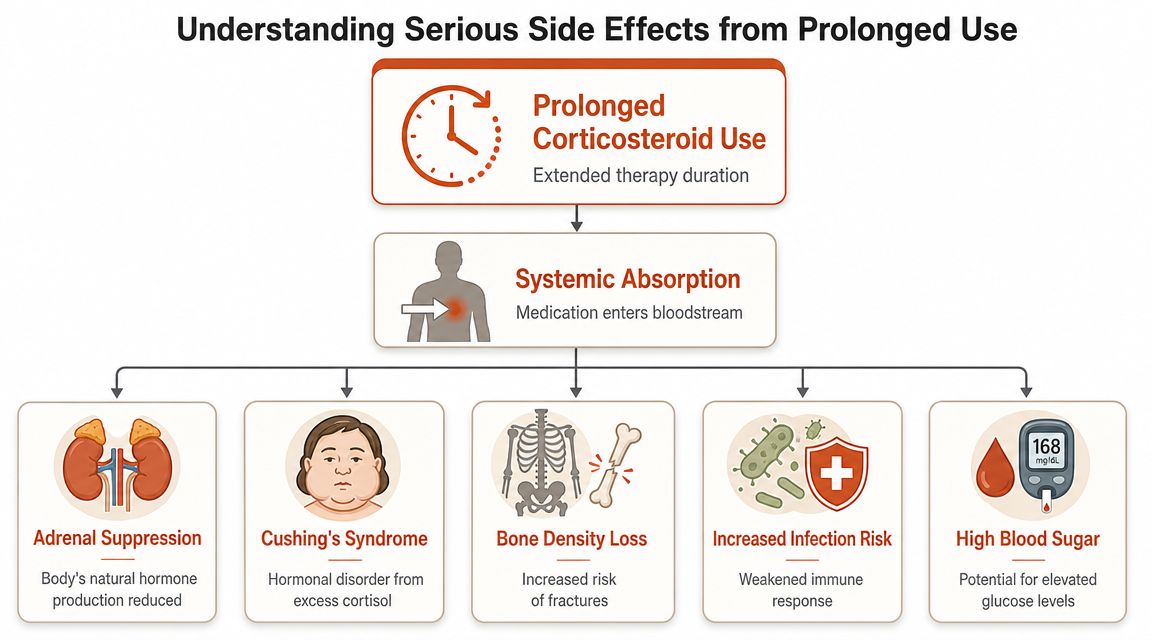
Most hydrocortisone suppository side effects stay local. The more serious risks show up when steroid exposure goes on too long or is repeated often enough that absorption becomes a bigger issue.
Authoritative labeling in DailyMed for hydrocortisone acetate suppositories identifies the local adverse reaction pattern as burning, itching, irritation, dryness, folliculitis, hypopigmentation, allergic contact dermatitis, and secondary infection. The same source warns that prolonged or repeated use can contribute to glaucoma, cataracts, osteoporosis risk, adrenal gland problems, and hyperglycemia.
Why longer use changes the risk
A short steroid course is very different from repeated exposure over time. The rectal route is still a medication route, not just a skin product. With ongoing use, the steroid can matter beyond the application site.
More serious reportable risks listed in patient-facing drug information include:
- Adrenal suppression
- Cushing syndrome
- High blood sugar
- Increased blood pressure
- Mood changes
- Eye complications, including glaucoma and cataracts
- Bone effects, including osteoporosis risk
The real trade-off
This doesn’t mean every patient who uses a suppository is likely to develop systemic steroid complications. It means the product should be respected for what it is: a corticosteroid that’s best used briefly and with a clear reason.
That’s also why prolonged self-treatment is such a bad habit. People often keep using the medication because symptoms recur, but recurring symptoms may signal the original diagnosis wasn’t complete, or that the steroid is now contributing to tissue fragility and a cycle of irritation.
How to Manage Side Effects and Minimize Risks
A common scenario is a patient who starts a suppository for quick relief, then keeps using it because the area still feels irritated. That is often the point where the product starts working against the tissue instead of helping it. The safest approach is to keep steroid exposure as limited as possible and reassess early if symptoms are not settling.
As noted earlier, standard hydrocortisone suppositories are meant for short courses, not open-ended self-treatment. The dose also matters. Bummed uses low doses of hydrocortisone in its Anti-Itch cream to minimize the side effects.
Use the lowest amount for the shortest time your clinician recommends, and do not keep going just because the medication is available.
What helps in practice
When irritation shows up, we look at two things first. Is the steroid still appropriate for the diagnosis, and is the delivery method adding friction to already inflamed tissue? Suppositories can be part of the problem because they place a fixed product into a sensitive area that may already be swollen, abraded, or prone to tearing.
These steps lower the chance of making things worse:
- Stick to the prescribed duration. Do not extend the course on your own if the area still feels off.
- Avoid stacking steroid products. Using a suppository plus another steroid cream or ointment can increase exposure without improving results. Always make sure to tell your provider, including Bummed’s medical providers, what medications you are currently taking.
- Keep hygiene gentle. Skip scented wipes, harsh soaps, and aggressive cleaning. Lukewarm water and soft patting are usually better tolerated.
- Reduce friction. Straining, prolonged sitting on the toilet, and repeated wiping can aggravate tissue that is already reacting.
- Protect the skin barrier when advised. In some cases, a clinician may recommend a simple barrier product around the external skin to reduce contact irritation.
- Reassess quickly if symptoms change. More burning, more rawness, or a feeling that the tissue is becoming thinner should prompt a change in plan.
Technique matters too. If placement has been difficult or the area gets more irritated with insertion, a topical option may be easier on the tissue. This guide on how to put hemorrhoid cream exactly where you need it without a fancy applicator can help when a provider recommends cream instead of a suppository. Bummed also includes finger cots in each of its packages for easier application.
What usually makes side effects worse
Using the product more often rarely fixes irritation from the product itself. Repeated insertion into inflamed tissue can create a cycle of pain, friction, and more steroid exposure. That is one reason recurring symptoms deserve a second look rather than automatic refills.
This is also where personalized treatment has an advantage. A custom compounded prescription anorectal cream can be adjusted to the patient and applied more precisely, which may reduce unnecessary contact with irritated tissue and avoid the all-or-nothing fit of a standard suppository. That does not make every cream risk-free, but it gives clinicians more control over how treatment is delivered from the start.
When to Stop Treatment and Contact a Provider
One of the hardest parts of using rectal steroid medication is telling the difference between an expected reaction and a sign that the condition is getting worse. That gray zone causes a lot of confusion.
NHS guidance addresses that directly in its review of side effects of hydrocortisone for piles and itchy bottom. A slight increase in burning may happen at first and usually stops after a few days. More inflamed skin, adrenal-gland symptoms, or trouble breathing or swallowing warrant urgent care.

Stop and call a provider if you notice these problems
Use this standard. If symptoms are moving in the wrong direction instead of slowly settling, don’t keep guessing.
- Persistent or worsening rectal pain rather than brief early irritation
- Bleeding that’s more than minor spotting or bleeding that keeps recurring
- Severe burning or severe irritation that doesn’t ease after the first few uses
- More inflamed skin around the anus
- Breathing or swallowing trouble, which raises concern for an allergic reaction
- New vision changes or significant mood changes, which are listed among more serious steroid-related concerns in consumer drug information
- No improvement after the intended short course
Side effect or worsening condition
This is the part people often miss. Burning, itching, and bleeding can come from the medication, but they can also come from hemorrhoids, fissures, dermatitis, infection, or another anorectal problem. That’s why symptom pattern matters more than one isolated sensation.
If the first few doses sting but each day gets easier, that’s one story. If each dose leaves the area angrier than the day before, stop treating it like a normal adjustment period.
When the diagnosis is wrong, staying on a steroid can blur the picture and delay the right treatment. A provider should reassess persistent symptoms rather than assuming every flare is “just hemorrhoids.”
A Better Way Safer Alternatives to Standard Suppositories
Standard hydrocortisone suppositories can help in the right situation, but they’re not our preferred approach for ongoing anorectal care. The reason is straightforward. They tend to be harsh, they’re not especially adaptable, and they can create a cycle where inflammation improves briefly while the tissue itself becomes harder to tolerate over time.
Why a compounded cream can make more sense
A compounded prescription cream gives a provider more control over what the patient receives. Instead of forcing one standard suppository formula on every anatomy and symptom pattern, the medication can be formulated for the problem being treated.
That matters because anorectal symptoms aren’t all the same. One person mainly has itching and inflammation. Another has pain and spasm. Another has swelling with very sensitive skin that reacts badly to stronger steroid exposure.
A custom cream approach can allow for:
- A smaller amount of hydrocortisone when steroid sensitivity is a concern
- Combination therapy with other prescription ingredients matched to the symptom pattern
- A format that’s often easier to apply gently
- Better control over where the medication goes
- Less dependence on a harsh, fixed suppository base
Why we generally avoid suppositories
In practice, we don’t prescribe hydrocortisone suppositories because they tend to be harsher than they need to be. When patients report steroid-related irritation, thinning, or a raw feeling, the answer usually isn’t to push harder with the same format. It’s to change the approach.
Sometimes providers also use practical workarounds such as advising a barrier layer before application or diluting irritation with a bland ointment support strategy. Those can help, but they’re still workarounds. A better long-term plan is usually a treatment designed to fit the tissue and the diagnosis from the start.
If your pain pattern sounds more like a fissure than a hemorrhoid, sharp pain during bowel movements rather than swelling or itching, a different mechanism entirely may be more effective. See our guide to anal fissure cream for prescription options that target that specific problem.
Frequently Asked Questions About Hydrocortisone Suppositories
Can you use hydrocortisone suppositories during pregnancy or while breastfeeding
Talk with your provider before using any rectal steroid during pregnancy or while breastfeeding. The main issue is making sure the diagnosis is correct, the treatment is necessary, and the formulation fits the situation. A provider can weigh symptom severity against the need to limit unnecessary medication exposure and may recommend an alternative formulation if that’s a better fit.
How long does it take for hydrocortisone suppository side effects to go away
The most common local reactions, such as mild burning or irritation, often settle within a few days if the product is tolerable for you. A brief increase in burning right after application can happen early and may fade as treatment continues. If irritation persists, becomes more intense, or the area feels thinner and more fragile, stop using it and ask a provider to reassess.
What drugs should you avoid when using hydrocortisone suppositories
Tell your provider about every medication and supplement you use, including nonprescription products. Even though rectal hydrocortisone is intended to act locally, steroid exposure can still matter, especially if you’re using other corticosteroid products. Your provider or pharmacist can review your list for overlap and make sure you’re not increasing your steroid burden without realizing it.
Are hydrocortisone suppository side effects usually serious
Usually, no. Most side effects are local and involve burning, itching, dryness, discomfort, or minor bleeding. The more serious concerns are linked to prolonged or repeated use, which is why these products are generally treated as short-course therapy rather than a long-term solution.
What’s the most common mistake people make with them
The biggest mistake is continuing treatment when the area is clearly getting more irritated. People often assume that because the product is for inflammation, more use must mean more relief. That isn’t how steroid irritation works. If symptoms are worsening, the plan needs to change.
Bummed content is for general education and should never replace professional medical advice that considers your individual health. If you think you’re experiencing a medical emergency, call 911 or head to the nearest emergency department.
Prescription products require an online consultation with a physician who will determine if a prescription is appropriate.
If you’re dealing with hemorrhoids, fissures, anal itching, or irritation that hasn’t responded well to standard products, Bummed offers discreet online evaluation and custom prescription treatment options designed for anorectal conditions. The intake takes just a couple of minutes, and a board-certified provider reviews symptoms the same day if appropriate.