



The goal with hemorrhoid prevention is simple. Keep pressure low in the rectal area, keep stools easy to pass, and stop the habits that turn an ordinary bowel movement into repeated strain.
Most adults don’t think about this until something starts burning, itching, swelling, or bleeding. By then, they want fast relief. That’s understandable. But how to prevent hemorrhoids is mostly about what you do before symptoms flare, especially with food, fluids, bathroom habits, movement, and constipation planning during high-risk times.
Your Proactive Plan to Prevent Hemorrhoids
Hemorrhoids often develop or flare when pressure builds repeatedly in the lower rectum. In practice, the biggest contributors are usually constipation, straining, delayed bowel movements, and long stretches of sitting on the toilet.
That’s why prevention works best when you think in terms of pressure control, not just symptom control. Creams may soothe a flare. They don’t fix the behaviors that caused the flare in the first place.
Focus on the habits that change pressure
A solid prevention plan usually comes down to a few repeatable actions:
-
Keep stools soft: Food choices, fluids, and sometimes fiber supplements matter because hard stools lead to pushing.
-
Shorten toilet time: The longer you sit and strain, the more pressure you create.
-
Move regularly: A sedentary routine is linked with hemorrhoidal disease, while regular aerobic activity is part of prevention guidance in clinical review literature.
-
Plan ahead during riskier periods: Pregnancy, postpartum recovery, travel, desk work, and medication-related constipation all require more intentional prevention.
Practical rule: Prevention is less about doing one perfect thing and more about removing the daily triggers that keep irritating the same tissue.
What tends to work and what usually doesn’t
What works is boring but effective. Regular fiber intake. Enough fluid. Responding when your body says it’s time to go. Getting up if nothing’s happening instead of scrolling on your phone and forcing it.
What doesn’t work is relying on occasional “clean eating” days, ignoring constipation for a week, or trying to out-push a bowel movement that isn’t ready to happen.
If you’re prone to hemorrhoids, think of prevention as maintenance. It’s much easier to prevent repeated strain than to calm down tissue that’s already swollen and irritated.
Build Your Plate for Better Bowel Health
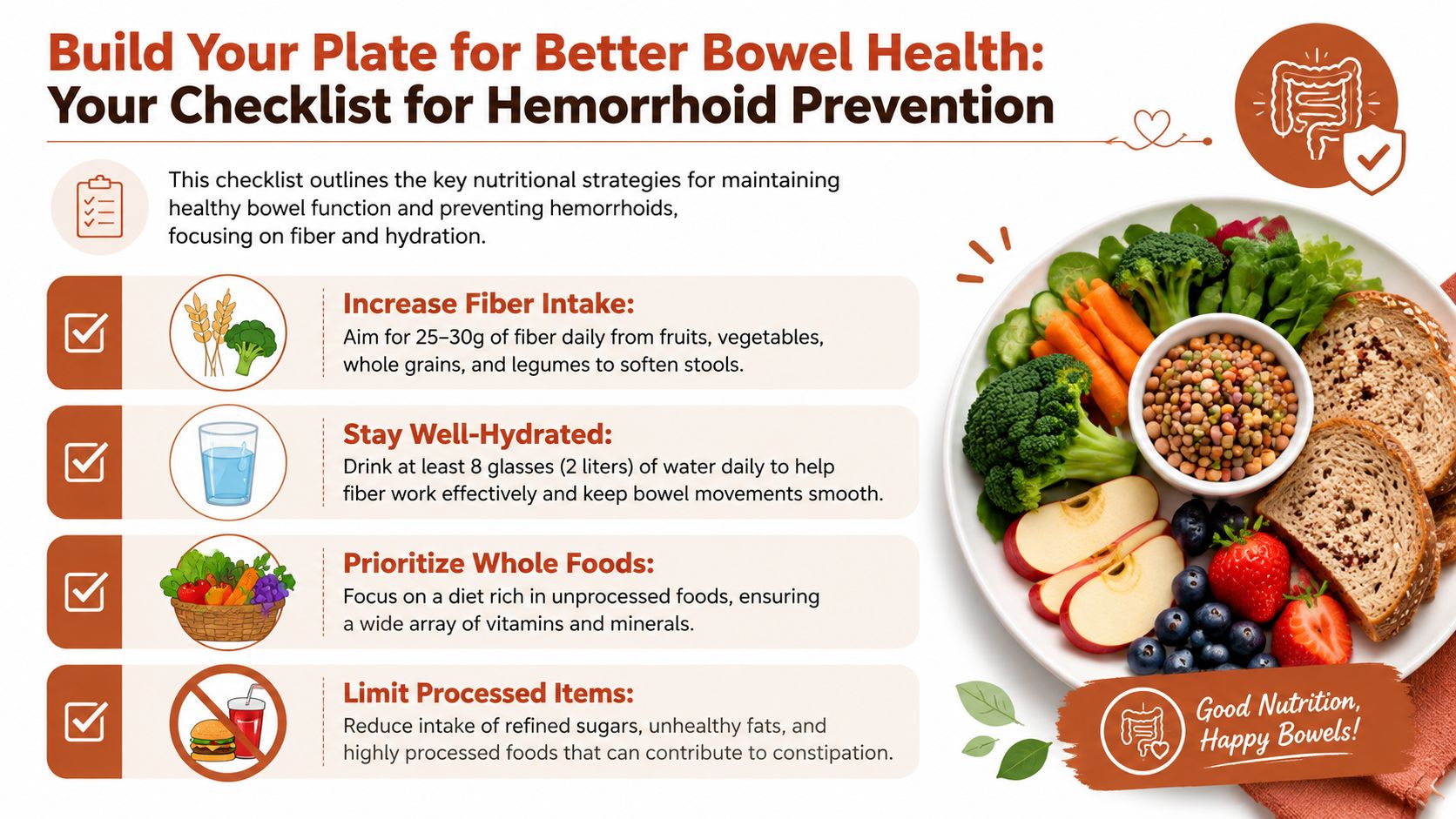
Food is the foundation. A major goal is to make bowel movements soft and easy enough that you don’t need to bear down. Clinical and hospital guidance consistently recommends about 20 to 35 grams of fiber daily, and Harvard Health advises adding fiber from foods or supplements because, with adequate fluid, it softens stools and reduces pressure on hemorrhoids, as summarized by OSF HealthCare’s hemorrhoid prevention guidance.
Why fiber and fluids have to work together
Fiber on its own isn’t the whole answer. It works best when you’re also drinking enough fluid. That combination helps stools stay softer and bulkier, which usually means less straining and less irritation.
Without enough fluid, fiber can backfire for some people. Instead of easier bowel movements, they feel more bloated and more backed up.
Fiber is a tool, not a shortcut. If you increase it too fast and don’t drink enough, you may feel worse before you feel better.
What to put on your plate
The most reliable pattern is a high-fiber diet built from whole foods. Think less about one miracle ingredient and more about adding fiber across the day.
Here’s a practical grocery framework:
| Food Category | Examples |
|---|---|
| Fruits | Berries, pears, apples, oranges, prunes |
| Vegetables | Broccoli, carrots, leafy greens, Brussels sprouts |
| Legumes | Beans, lentils, chickpeas |
| Whole grains | Oats, brown rice, whole grain bread, barley |
| Seeds and supplements | Psyllium, chia seeds, ground flax |
If you want a more detailed food list, our guide to high-fiber foods for constipation can help you build meals that are easier on your bowel habits.
Make fiber realistic, not aspirational
Many adults know they “should eat more fiber,” but that advice is too vague to be useful. Tie it to meals:
-
Breakfast: Oatmeal, fruit, or whole grain toast instead of low-fiber pastries
-
Lunch: Add beans, lentils, or extra vegetables to bowls, salads, or soups
-
Dinner: Build around vegetables and whole grains instead of making them an afterthought
-
Snacks: Choose fruit, nuts, or seeded crackers over heavily processed snack foods
A supplement like psyllium can help when food alone isn’t enough, but it should support your routine, not replace it. Whole foods also make it easier to maintain bowel regularity over time.
Master Your Toileting and Bowel Habits
Some of the strongest hemorrhoid prevention advice has nothing to do with diet. It has to do with what happens in the bathroom.
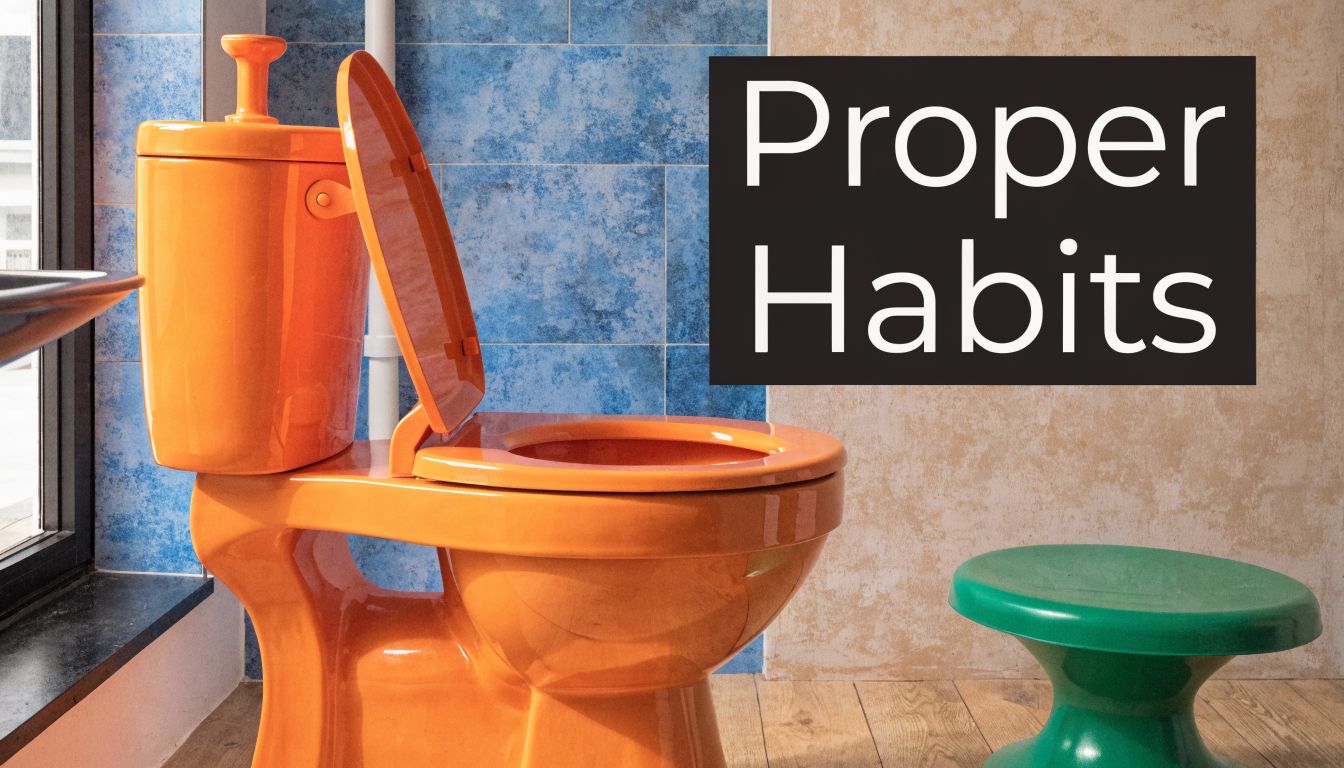
Expert guidance emphasizes a few key behaviors: respond to the urge promptly, avoid prolonged toilet sitting and phone use, and don’t force a bowel movement, because those habits increase venous pressure in the anorectal cushions and make hemorrhoids more likely to flare, according to Premier Surgical’s prevention guidance.
The habits that quietly make things worse
A lot of adults create problems without realizing it. They ignore the urge because they’re in a meeting, they sit on the toilet long after the bowel movement is over, or they try to “get everything out” by straining.
Those habits raise pressure exactly where you don’t want it. The toilet shouldn’t be a workstation, and it shouldn’t become a place where you sit waiting for something to happen.
What better bathroom mechanics look like
A healthier bowel movement is usually quick, unforced, and prompted by a real urge. If you don’t feel ready to go, don’t keep sitting there hoping effort will fix it.
A few practical adjustments help:
-
Go when the urge shows up: Delaying can make stool harder and harder to pass later.
-
Leave your phone out of the bathroom: It’s one of the easiest ways to cut down toilet time.
-
Use a small footstool: Raising your feet can improve your angle and reduce the need to push.
-
Stop if nothing’s happening: Get up, walk around, hydrate, and try again later instead of forcing it.
The right bowel movement feels uneventful. If every trip requires effort, your prevention plan needs work.
Some adults also do better with a predictable routine, often after breakfast or coffee, when the body is naturally more likely to move the bowels. If you need help building consistency, a 7-day bowel habit tracker for real life can make patterns easier to spot.
Proactive Constipation Management Strategies
Constipation is one of the main drivers of hemorrhoids. If stools are hard, infrequent, or difficult to pass, you’re much more likely to strain. Prevention falls apart quickly when constipation becomes your baseline.
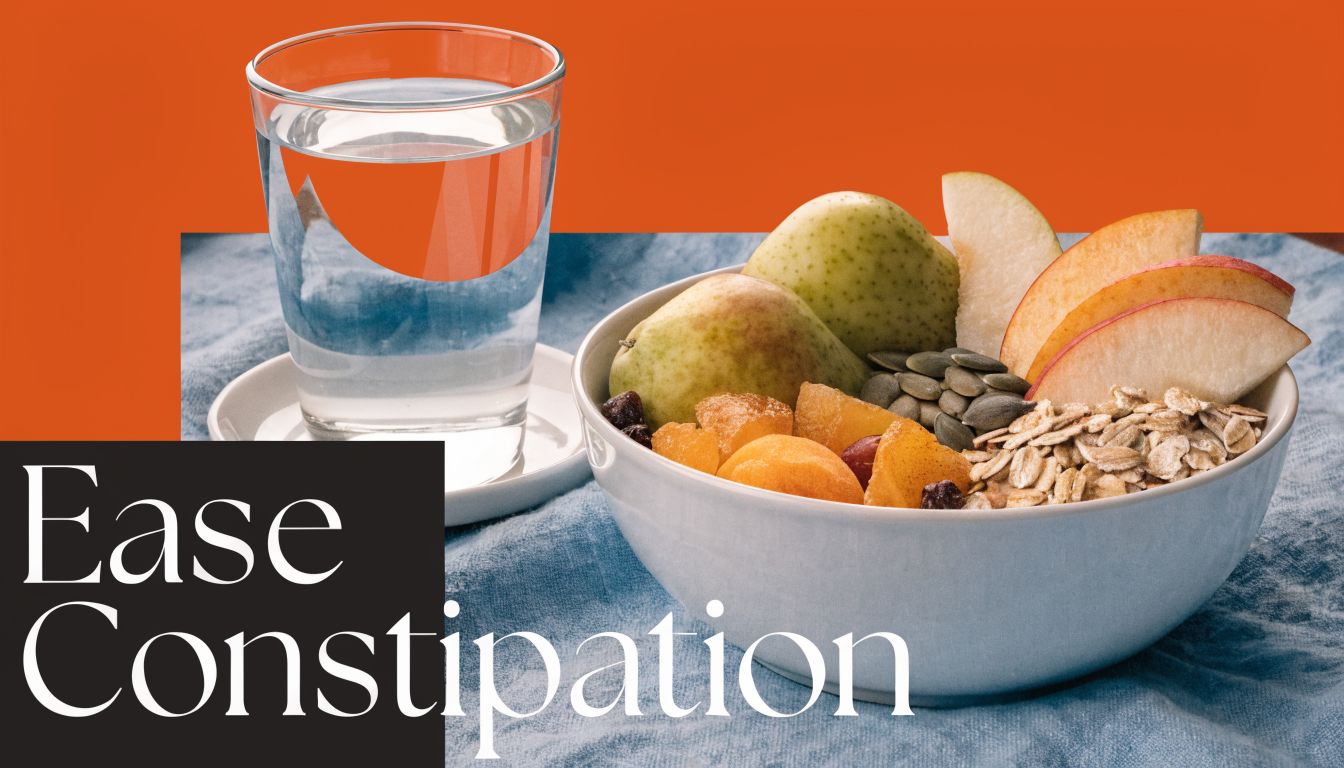
That’s why hemorrhoid prevention has to include a constipation plan. Not a vague intention to “drink more water sometime,” but an actual strategy for what you’ll do when bowel movements slow down.
Start with the common causes
For many adults, constipation is tied to routine issues. Travel disrupts meals. Workdays involve long sitting hours. Hydration slips. Processed foods crowd out fiber. Some people also notice constipation gets worse when they’re under stress or when they keep ignoring the urge to go.
The fix usually requires more than one adjustment at a time:
-
Rebuild consistency: Eat on a schedule that includes fiber-containing meals.
-
Support stool softness: Keep fluids steady across the day so fiber can help.
-
Add movement: Even a daily walk can support bowel regularity.
-
Use supplements thoughtfully: Psyllium can be useful when diet alone isn’t enough.
If you’re considering psyllium, these digestive regularity and heart health tips offer practical context on how it fits into a broader routine.
Medication-related constipation needs a real plan
This matters even more now because many adults use GLP-1 medications for obesity or diabetes. A 2025 systematic review and meta-analysis reported constipation rates of about 25% with semaglutide 2.4 mg and 23% with tirzepatide in obesity trials, making medication-induced constipation a major prevention issue.
That changes the conversation. If constipation started after a medication change, generic hemorrhoid advice may not be enough. You may need a bowel regimen that’s planned in advance rather than improvised once symptoms are already bad.
What to discuss with your provider
When constipation is recurrent or medication-related, ask your provider specific questions:
-
Should you start a fiber supplement gradually? Going too fast can make bloating worse.
-
How should you adjust fluids? This matters if your appetite or intake changed on a GLP-1.
-
Do you need a stool softener or another bowel support option? Some adults benefit from a structured regimen.
-
When should you escalate care? Don’t wait until you’re straining daily or bleeding.
For a fuller overview of next-step care, our guide to chronic constipation treatment options can help you think through what belongs in a longer-term plan.
Prevention During Pregnancy, Travel, and Work
Prevention gets more complicated when your body or environment changes. Pregnancy, postpartum recovery, business travel, and desk-heavy work can all raise hemorrhoid risk even when you’re trying to do the right things.
A review of hemorrhoidal disease risk factors describes regular aerobic activity such as walking or swimming as safe preventive exercise, while activities that increase pressure, including cycling or heavy weightlifting, are cautioned against for susceptible patients. The same review states that avoiding constipation is the most important preventive measure during pregnancy in this PMC review on hemorrhoidal disease.

During pregnancy and postpartum
Pregnancy changes bowel habits in multiple ways. Hormonal shifts, pressure from the growing uterus, iron supplements, and the strain of delivery can all contribute. Postpartum recovery adds another layer, especially if bowel movements become something you fear because of pain or stitches.
In that setting, the most useful mindset is proactive, not reactive.
-
Treat constipation early: Don’t wait for several difficult bowel movements in a row.
-
Choose gentle movement: Walking or swimming is often a better fit than pressure-heavy exercise.
-
Protect bathroom mechanics: Avoid holding stool, avoid straining, and don’t camp out on the toilet.
-
Ask about pregnancy-safe options: This is the time to get provider guidance rather than guessing. Bummed offers pregnancy-safe hemorrhoid medications, but always be sure to check with your provider before starting a new medication.
Small prevention steps matter more during pregnancy because tissue is already under extra pressure.
During travel and desk-heavy work
Now think about the adult who flies often or sits through back-to-back meetings. Their risks look different, but the result can be the same. Less movement, less water, more schedule disruption, and more delayed bathroom trips.
The fix isn’t dramatic. It’s operational.
Try this approach when you travel or work long desk days:
-
Walk whenever you can: A short lap after meals is better than staying planted all day.
-
Hydrate deliberately: Don’t rely on thirst when flights, coffee, and busy schedules are involved.
-
Keep your routine familiar: Travel is not the ideal time to suddenly stop eating produce and whole grains.
-
Don’t “hold it” repeatedly: Delaying bowel movements becomes a habit faster than people realize.
Adults who are already prone to hemorrhoids often notice that the problem starts when several small disruptions pile up. That’s why prevention in real life has to be flexible enough to travel with you.
When to Seek Care for Hemorrhoid Symptoms
Prevention lowers risk, but it doesn’t guarantee you’ll never have symptoms. When pain, bleeding, or swelling shows up, timing matters. Waiting too long can turn a manageable problem into a much more painful one. Bummed offers discreet, online consults and access to licensed medical providers who are able to prescribe custom compounded prescription medications for hemorrhoids and fissures.
That’s also important because not every anorectal symptom is a hemorrhoid. A 2024 review notes that most anal fissures heal with conservative care, including stool softeners, sitz baths, and dietary modification, which is a good reminder that early, guided treatment can prevent complications and help sort out conditions that may overlap with or mimic hemorrhoids. Bummed’s formulations are able to target both hemorrhoids and fissures for faster healing.
Don’t ignore these signs
Contact a provider promptly if you have:
-
Persistent or significant bleeding
-
Severe pain
-
A swollen lump that’s very tender or won’t improve
-
Symptoms that keep recurring despite prevention efforts
-
Uncertainty about whether it’s a hemorrhoid, fissure, or something else
Early care is often simpler care
Many adults delay care because they’re embarrassed. That delay usually doesn’t help. The sooner a provider evaluates the problem, the sooner you can get a targeted plan instead of guessing with random over-the-counter products.
If you’re trying to decide whether symptoms still fit home care or need in-person evaluation, this guide on when it’s time to seek in-person care and what doctor treats hemorrhoids can help you make that call.
Frequently Asked Questions About Hemorrhoid Prevention
Are some people more prone to getting hemorrhoids?
Yes. Some adults are more susceptible because of age, anatomy, family tendencies, pregnancy history, or recurring constipation. You can’t change those factors, but you can lower your odds of flare-ups by being more disciplined about stool softness, bathroom habits, and movement.
Can hemorrhoids be prevented completely?
Not always. Prevention can reduce risk and make flare-ups less frequent, but it can’t promise that hemorrhoids will never happen, especially during high-risk periods like pregnancy, postpartum recovery, or medication-related constipation. The practical goal is fewer flares, milder symptoms, and faster recovery when problems do happen.
Do over-the-counter creams help prevent hemorrhoids?
Usually no. Most over-the-counter creams are for short-term symptom relief, such as itching, burning, or discomfort during a flare. They don’t address the root drivers of hemorrhoids, which are usually pressure, straining, and constipation.
Is sitting too long really a problem?
It can be, especially if “sitting” means sitting on the toilet for long stretches. Desk time can also contribute indirectly because sedentary days are often linked with slower bowel habits. The issue isn’t that a chair directly causes hemorrhoids. It’s that prolonged sitting often travels with less movement, delayed bathroom trips, and more constipation.
What kind of exercise is usually best if I’m prone to hemorrhoids?
Regular aerobic movement tends to be the safest starting point. Walking and swimming are commonly recommended because they support circulation and bowel regularity without adding the same pressure burden as some higher-strain activities. If a workout consistently leads to straining or pelvic pressure, it’s worth modifying.
Disclaimers
Bummed content is for general education and should never replace professional medical advice that considers your individual health. If you think you’re experiencing a medical emergency, call 911 or head to the nearest emergency department.
Prescription products require an online consultation with a physician who will determine if a prescription is appropriate.
If you’re dealing with hemorrhoids, fissures, itching, or constipation and want discreet support, Bummed offers online evaluation by a board-certified provider, prescription treatment if appropriate, and ongoing care designed for real life.