

Constipation has a way of taking over your day. You feel heavy, bloated, uncomfortable, and sometimes weirdly distracted by the fact that something as basic as a bowel movement suddenly feels difficult.
Most adults who come looking for the best fiber supplement for constipation don’t need a long list of hypey wellness claims. They need a practical answer. Which fiber helps, which one causes less gas, and when it’s time to stop experimenting and talk to a provider.
The short version is this. Psyllium is the most evidence-based option for constipation for most adults. But it’s not the right fit for everyone. If you have a sensitive stomach, methylcellulose often makes the process easier. If texture is your biggest issue, a fully dissolving product may be easier to stick with, even if it’s not our first pick for constipation relief.
Why Fiber Is Your First Line of Defense for Constipation
Constipation often starts as “I’m a little off” and turns into straining, incomplete bowel movements, hard stool, hemorrhoid flares, or fissure pain. That’s why we usually start with the basics that make stool softer, bulkier, and easier to pass. Fiber is at the center of that plan.
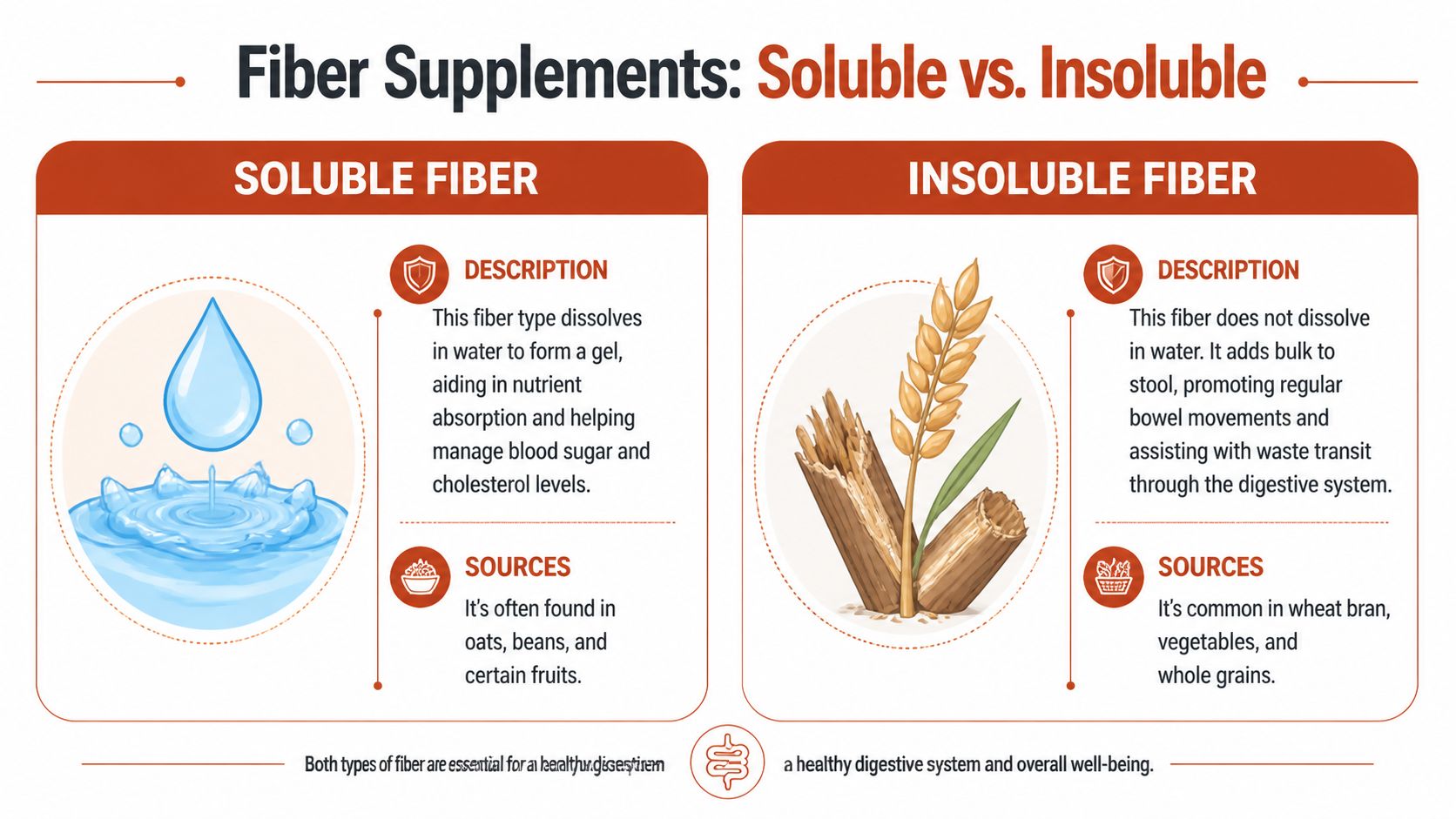
Think of fiber as the part of your diet that gives stool structure and movement. Soluble fiber holds water and forms a gel. Insoluble fiber adds bulk and helps move waste through the digestive tract. Many adults don’t get enough from food alone, which is why supplements can make such a noticeable difference.
A strong at-home plan usually includes hydration, movement, toilet habits, and targeted fiber. For people who feel like their system is just slow overall, this guide on improving gut motility can also help connect the dots.
Practical rule: If constipation is causing straining, pelvic pressure, hemorrhoid irritation, or painful bowel movements, fiber is usually part of the solution, not an optional add-on.
Fiber also tends to work better when you use it consistently instead of only after several bad days. A supplement can support regularity, but it won’t do much if you take it sporadically and skip fluids.
Understanding the Different Types of Fiber Supplements
Not all fiber supplements work the same way. Some are better at softening stool. Some are gentler on bloating. Some are convenient but less impressive for constipation itself.
A 2022 meta-analysis of 16 randomized controlled trials found that fiber supplementation significantly improved constipation, with 66% of participants responding positively to fiber compared with 41% in control groups. The same analysis found improved stool frequency and consistency, especially with doses over 10 g/day for at least 4 weeks.
Soluble fiber and insoluble fiber
Soluble fiber dissolves in water and forms a gel. That gel helps hold moisture in stool, which can make bowel movements easier to pass.
Insoluble fiber does not dissolve in water. It adds bulk and can help stool move through the digestive tract.
Many foods contain both. Supplements are often more selective, which is why the ingredient matters more than the marketing on the front label.
If you also want a clear explainer on calories in dietary fiber, that can help if you’re comparing powders, gummies, and meal add-ins.
The main supplement types you’ll see
Here are the products most adults end up comparing:
Psyllium husk: Found in products like Metamucil and Konsyl. This is the best-studied option for constipation and the one we most often favor when stool is hard, dry, or difficult to pass.
Methylcellulose: Found in Citrucel. This is a soluble, non-fermentable fiber that tends to cause less gas and bloating.
Wheat dextrin: Found in Benefiber. It dissolves easily and is convenient for people who hate gritty textures.
Flax-based products: Plain ground flax is a food-based option that adds both soluble and insoluble fiber.
Fiber blends: Some products combine multiple fiber sources. These can be useful when someone wants a broader approach and tolerates mixed formulas well.
If you’re trying to raise your baseline intake through diet too, this list of high-fiber foods for constipation is worth keeping open while you shop.
Fiber Supplement Comparison
| Fiber Type | Primary Action | Best For | Common Brands |
|---|---|---|---|
| Psyllium | Forms a hydrating gel and bulks stool | Chronic constipation, hard stool, regularity | Metamucil, Konsyl, plain psyllium husk |
| Methylcellulose | Increases stool moisture with less fermentation | Sensitive stomachs, people prone to gas | Citrucel |
| Wheat dextrin | Dissolves easily into food or drink | People who dislike texture and grit | Benefiber |
| Flax | Adds mixed fiber from a food source | People who prefer food-based options | Plain ground flax seed |
| Fiber blends | Combines different fiber actions | Adults who want broader daily support | Coloflax and similar blends |
The best product is the one you’ll take consistently, with enough water, long enough to judge whether it’s helping.
A Head-to-Head Comparison of Top Fiber Supplements
Most adults do best when they stop comparing labels and start comparing use cases. The right question isn’t “Which brand is best?” It’s “Which fiber matches my symptoms and my tolerance?”

Psyllium for most adults with real constipation
If someone asks us for the single best fiber supplement for constipation, psyllium is usually the answer. The reason is straightforward. The American College of Gastroenterology Task Force on Chronic Constipation found sufficient evidence to recommend psyllium for improving stool frequency and consistency.
That evidence matters because many fiber products are sold as if they’re interchangeable. They aren’t.
Psyllium works especially well when the problem is:
Hard stool
Straining
Feeling like you never fully empty
Constipation linked with hemorrhoids or fissures
IBS with constipation
The trade-off is texture and tolerance. Psyllium can feel thicker in water, and some people notice bloating if they start too aggressively.
Best fit: Metamucil, Konsyl, or plain ground psyllium husk.
Methylcellulose for sensitive stomachs
If you’ve tried fiber before and quit because you felt gassy or overly full, methylcellulose is often the smarter second choice. Citrucel is the common example.
This type of fiber is usually easier to tolerate because it’s non-fermentable. In plain language, it helps hydrate stool without feeding the kind of gut fermentation that makes some people feel miserable.
That makes methylcellulose especially helpful for:
Adults with sensitive stomachs
People who bloat easily
Those who need a gentler entry point
People with alternating bowel patterns who don’t want a heavy gel
The trade-off is that it doesn’t have the same level of constipation-specific support as psyllium. If stool is very hard or you’re regularly straining, psyllium still tends to be our first pick if you can tolerate it.
If psyllium works but feels rough on your gut, methylcellulose is often the easiest pivot instead of giving up on fiber altogether.
Wheat dextrin for texture issues
Benefiber is popular for one main reason. It’s easy to use. It dissolves well, mixes into food or drinks without much fuss, and doesn’t have the thicker mouthfeel that turns some people off psyllium.
That convenience matters more than people think. A supplement that sits untouched in the cabinet doesn’t help anyone.
Still, for constipation, wheat dextrin is usually not our lead recommendation when someone has clear symptoms like hard stool and straining. We think of it more as a “better than nothing and easier to stick with” option.
Best fit: adults who refuse powdery textures, want something nearly invisible in drinks, or are trying to increase overall intake.
Natural options and combination blends
Plain ground flax seed can work well for adults who prefer a food-first routine. It adds fiber and can be mixed into oatmeal, yogurt, or smoothies. Some people find this easier to maintain than a dedicated supplement ritual.
Blended products like Coloflax appeal to adults who want an all-in-one approach. A mixed-fiber formula may be useful if you’re trying to support regularity more broadly, but tolerance still matters. More ingredients can mean more variables when you’re troubleshooting bloating.
What usually doesn’t work as well
The most common mistake is choosing based on flavor, gummy format, or branding instead of ingredient type. Another mistake is switching products every few days before giving one approach a fair trial.
We also see adults assume “more fiber” automatically means “better.” It doesn’t. The right form, enough water, and gradual dosing matter just as much as the label.
How to Use Fiber Supplements Effectively and Safely
Fiber works best when you respect the ramp-up. Most side effects happen because people go from very little fiber to a full serving overnight, then assume the supplement is the problem.
Most bulk-forming fiber supplements, including psyllium products, typically start working within 12 to 72 hours according to Medical News Today’s review of fiber supplement guidance. Consistent daily use matters more than chasing a same-day result.
The three rules that prevent most problems
Start low
Begin with a small amount rather than the full serving on day one.Go slow
Increase gradually over days to weeks, especially if you’re prone to gas or bloating.Drink enough water
Fiber without enough fluid can leave you feeling worse, not better.
A practical starting point is to follow the product label conservatively, then adjust based on stool form, bloating, and ease of passage. For psyllium, many adults tolerate it better when they split the dose instead of taking it all at once.
Common mistakes
Taking it inconsistently: Fiber helps regularity when it becomes part of your routine.
Ignoring hydration: This is one of the fastest ways to sabotage a good supplement.
Using it like a stimulant laxative: Fiber is supportive, not a harsh trigger.
Changing too many things at once: If you start magnesium, probiotics, enzymes, and a new fiber on the same day, it becomes hard to tell what’s helping or hurting.
What we tell patients: Give one well-chosen fiber enough time, enough water, and a gradual build before you decide it failed.
If you get bloating or gas
First, don’t panic. Mild bloating early on is common. Reduce the dose, stay steady for a few more days, and consider switching to methylcellulose if the problem persists.
Also check the rest of the formula. Added sweeteners, flavoring agents, or gummies can be part of the issue, not just the fiber itself.
Special Considerations for Fiber Use
Constipation is rarely one-size-fits-all. The right fiber choice changes if someone is pregnant, recovering after delivery, taking a GLP-1 medication, or dealing with pain from hemorrhoids or a fissure.
Pregnancy and postpartum
A common scenario is someone doing many of the right things and still feeling stuck. Pregnancy slows gut motility. Iron can harden stool. After delivery, pain, stitches, hemorrhoids, and fear of straining can make bowel movements even harder to pass.
The goal here is usually softer, easier stool without adding much gas or cramping. Psyllium is often a practical first choice when hard stool and straining are the main problems. Methylcellulose can be the better fit if bloating is already pronounced or the abdomen feels tender.
Oshi Health’s provider-reviewed guidance notes that methylcellulose is a soluble, non-fermentable fiber that helps increase stool moisture with less gas and bloating. That trade-off matters in pregnancy and early postpartum, when comfort and tolerance matter just as much as effectiveness.
A simple framework:
Plain psyllium husk for hard stool and difficult passage
Citrucel or another methylcellulose product for people who bloat easily
Ground flax mixed into food for those who prefer a food-based option and tolerate it well
GLP-1 users and slow bowels
GLP-1 medications commonly slow digestion. In practice, that often means stool sits longer in the colon, loses water, and becomes harder to pass. The best fiber choice depends on what else is happening.
Psyllium often works well if the main problem is dry, infrequent stool. Methylcellulose is often easier to tolerate if nausea, early fullness, or bloating are already part of daily life. I generally favor the gentler option first in patients who already feel overfull, because an effective supplement is only useful if someone can keep taking it.
Some GLP-1 users also react to fermentable ingredients in powders, gummies, sweeteners, and “gut health” blends. If constipation and bloating show up together, this guide to the hidden role of FODMAPs and how enzymes help with bloating or constipation can help clarify whether fiber is only part of the problem.
When hemorrhoids or fissures are part of the story
Frequency is not the full target. Stool still needs to be soft enough to pass with minimal strain.
That is especially true with hemorrhoids, fissures, or anorectal irritation. In those cases, the wrong fiber plan can backfire if it bulks stool without improving softness. The better approach is usually a gentle soluble fiber, careful dose selection, and a broader treatment plan aimed at reducing pain and protecting healing tissue.
For adults in that situation, Bummed can review symptoms and help determine whether prescription treatment should be added alongside self-care measures like fiber.
When to See a Provider About Constipation
Fiber is a smart first step. It shouldn’t be the last step if your symptoms are escalating or not improving.
You should talk with a provider if constipation is persistent, if bowel movements are painful enough that you’re avoiding them, or if you’re dealing with bleeding, severe abdominal pain, vomiting, or black or tarry stool. Those symptoms deserve medical attention, not more trial and error in the supplement aisle.
You should also reach out if constipation is triggering hemorrhoid flares, fissure pain, or a cycle of straining and fear around bowel movements. At that point, a more complete treatment plan often works better than trying yet another over-the-counter product.
For adults who want a structured overview of chronic constipation treatment options, that’s a good next read before booking care.
Frequently Asked Questions About Fiber Supplements
Is psyllium the best fiber supplement for constipation
For most adults with straightforward constipation, yes. Psyllium has the strongest support for improving stool frequency and consistency, and it’s usually the first ingredient we recommend when the main issue is hard stool or straining.
Is Citrucel better than Metamucil if fiber makes you gassy
Often, yes. Citrucel contains methylcellulose, which tends to be easier on sensitive stomachs. If psyllium leaves you bloated enough that you stop taking it, a gentler product is often the better real-world choice.
Can you take a fiber supplement every day
Many adults can. Daily use is common when the product is well tolerated and you’re drinking enough fluids. If you have trouble swallowing, severe gut symptoms, or major changes in bowel habits, check with a provider before continuing.
What’s the difference between a fiber supplement and a laxative
A bulk-forming fiber supplement supports stool structure and hydration. A stimulant laxative pushes the bowel to contract more forcefully. Those are not the same experience, and they’re not used the same way.
Should you take fiber in powder, capsule, or gummy form
Choose the format you’ll use. Powders are often easiest to adjust dose by dose. Capsules may be more convenient. Gummies can be appealing, but some adults tolerate powders better because gummies may include extra ingredients that worsen bloating.
How long should you try one fiber before switching
Give it a fair trial with gradual dosing, daily consistency, and enough water. If you’re getting side effects that don’t settle or your stool is still hard and difficult to pass, it may be time to switch types rather than abandon fiber completely.
Constipation is frustrating, but it’s usually manageable with the right plan. If you’re dealing with constipation tied to hemorrhoids, fissures, painful bowel movements, or ongoing anorectal symptoms, Bummed offers online consultations with a physician who can review your symptoms and determine whether a prescription is appropriate.
Bummed content is for general education and should never replace professional medical advice that considers your individual health. If you think you’re experiencing a medical emergency, call 911 or head to the nearest emergency department.
Prescription products require an online consultation with a physician who will determine if a prescription is appropriate.