

If you feel bloated, backed up, or like your body has stopped following a normal rhythm, you are probably not imagining it. Many people describe poor gut motility as feeling “stuck.” They may go days without a comfortable bowel movement, strain hard enough to trigger hemorrhoids, or develop pain from an anal fissure after passing hard stool.
The good news is that motility usually improves when you address the right levers. The wrong approach is to chase random supplements or rely on forceful laxatives without fixing the daily habits and bathroom mechanics that caused the slowdown in the first place. The right approach is simpler and more consistent: support stool formation, support movement through the colon, and reduce strain at the exit.
What Is Gut Motility and Why It Matters
Gut motility is the muscular activity that moves food, fluid, and waste through the digestive tract. When that rhythm is working well, stool moves along without much effort. When it slows down, you feel it fast: fullness, bloating, hard stools, skipped days, and the sense that you still are not empty after you go.

Poor motility is not just annoying. It often sets up the exact anorectal problems patients come in with. Hard stool stretches the anal canal. Repeated straining increases pressure on hemorrhoidal tissue. Incomplete emptying can keep you on the toilet longer, which usually makes both problems worse.
What slow motility feels like in real life
Patients rarely say, “I think I have a motility problem.” They say:
-
“I’m going, but not enough.” Small, unsatisfying bowel movements often point to slow transit or poor evacuation.
-
“I dread going because it hurts.” That pattern is common when constipation feeds fissures or inflamed hemorrhoids.
-
“I look pregnant by the end of the day.” Bloating often travels with slowed movement through the gut.
-
“I’m eating less, but still feel heavy.” A backed-up colon can create that sensation.
Why improving motility matters beyond comfort
Motility affects more than frequency. It changes stool consistency, how much pushing you need, and how irritated the rectum and anus become over time.
If you want to know how to improve gut motility, think in practical terms:
| Problem | What often happens | Why it matters |
|---|---|---|
| Stool sits too long | It gets drier and harder | Hard stool is harder to pass |
| You strain to empty | Pelvic floor and anal tissue take more pressure | Hemorrhoids and fissures flare |
| You delay the urge | The colon keeps pulling water from stool | The next bowel movement is often harder |
| You treat symptoms only | Temporary relief without a routine | Constipation keeps returning |
A comfortable bowel movement is not just about “going more.” It is about passing stool with less strain, less pain, and less damage to anorectal tissue.
Daily Habits for Better Motility
You eat less because a GLP-1 medication has cut your appetite. Or you are pregnant, already bloated, and the thought of forcing down a giant fiber meal sounds miserable. In both situations, the advice people hear is often too generic to help.
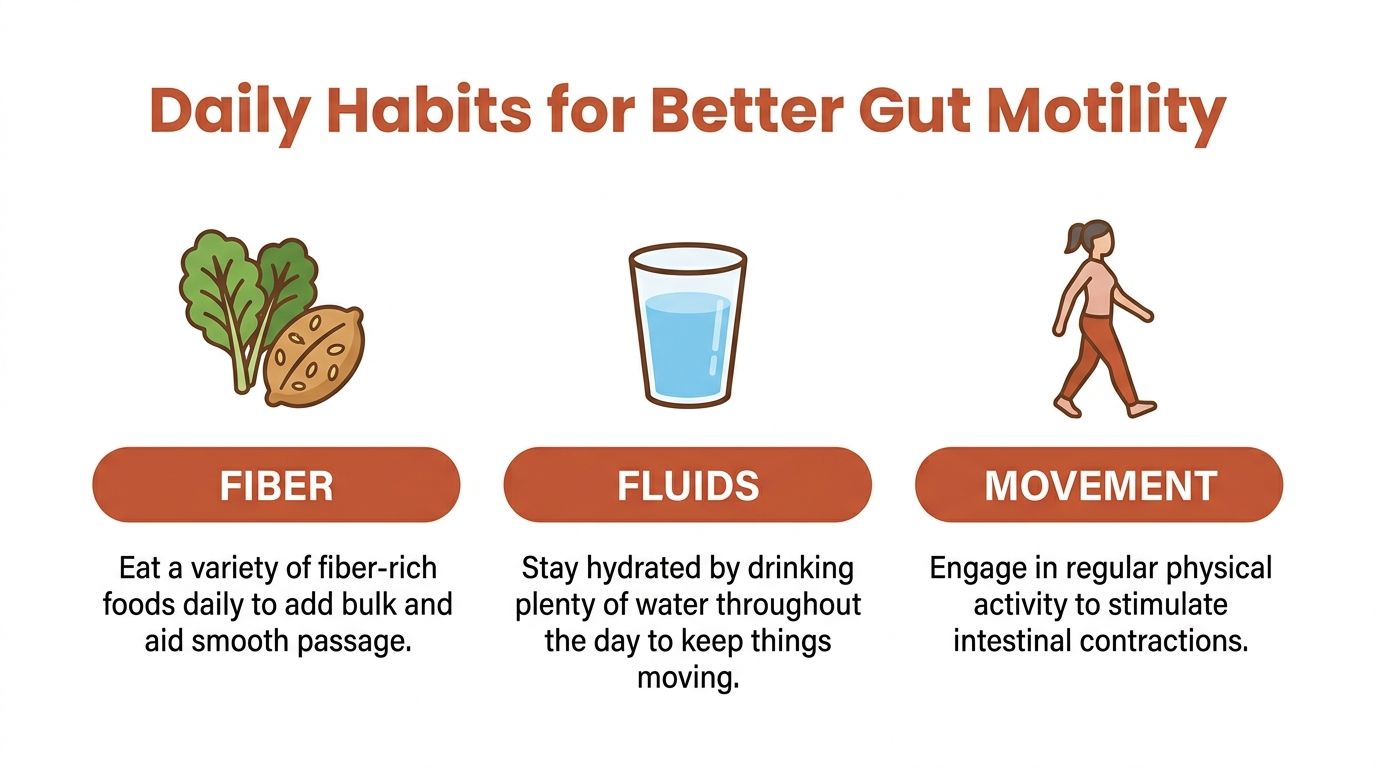
A better approach is a routine you can repeat every day. For motility, the habits that matter most are fiber, fluids, movement, and meal timing. The catch is that the right dose of each depends on what your gut is dealing with.
Eat enough fiber, but increase it gradually
Fiber helps stool hold water and move through the colon with less resistance. It can help, but more is not always better.
-
Soluble fiber tends to soften stool. Common examples include oats, apples, berries, and psyllium.
-
Insoluble fiber adds bulk. Common examples include greens, beans, and whole grains.
I see one mistake often. Someone with constipation, especially after starting a GLP-1 medication, jumps straight into raw salads, bran cereal, and fiber bars. Then they feel worse. More bloating, more pressure, and no satisfying bowel movement.
Start lower and build. Cooked vegetables are often easier to tolerate than a large raw salad. Psyllium can work well, but only if you also drink enough fluid. During pregnancy, gradual changes are usually better tolerated than a sudden fiber surge.
A simple way to do it:
-
Breakfast: Oatmeal with fruit
-
Lunch: Beans or lentils with rice and cooked vegetables
-
Dinner: Sweet potato, greens, and a protein you tolerate well
-
Snack: Fruit, nuts, or whole grain toast
For food ideas that are easier to use in real life, review these high-fiber foods for constipation.
Match your water intake to your fiber intake
Fiber without enough fluid can leave stool drier and harder to pass. That matters even more for patients taking GLP-1 medications, because they often eat less, drink less, and feel full quickly. It also matters in pregnancy, when constipation is common and dehydration makes it worse.
A fixed water number does not fit everyone. A better rule is to spread fluids through the day and pay attention to the result. If stool is hard, cracked, or difficult to start, low fluid intake may be part of the problem.
These habits help:
-
Keep water in reach so drinking does not depend on memory
-
Drink with meals and snacks instead of trying to catch up late in the day
-
Use soups, fruit, and other hydrating foods if plain water is unappealing
-
Increase fluids when you increase fiber
Harvard Health’s guidance on improving gut health also emphasizes the practical pairing of fiber, fluids, and regular routines.
Walk after meals, especially if your gut feels stalled
Walking is one of the simplest ways to stimulate bowel activity. It is low risk, pregnancy-safe for many patients, and realistic enough to do consistently.
A study published in 2024 and indexed in PMC reported a short-term increase in bowel sound activity after brief walking in healthy adults in this PMC study on walking and gut motility. That does not mean a walk cures chronic constipation. It does mean movement can nudge the gut in the right direction.
Use it in ways that are easy to repeat:
-
Walk for 10 to 15 minutes after meals if you can.
-
Choose consistency over intensity. A gentle walk counts.
-
Use walking when constipation is medication-related. Many patients on GLP-1 drugs notice they feel less backed up when they stay active after eating.
Lying down right after dinner usually does not help.
Keep your meals on a schedule your gut can learn
The bowel responds to routine. Eating at roughly regular times helps train that pattern.
This matters for people on GLP-1 medications, who may skip meals because they are not hungry, then eat very little all day and wonder why bowel movements slow down. It matters in pregnancy too, when nausea, food aversions, and iron supplements can make eating erratic.
Aim for a predictable rhythm instead of perfection. Small, regular meals often work better than one large late meal. If breakfast reliably triggers a bowel movement for you, protect that habit.
Optimizing Your Bathroom Routine
Some patients fix their diet and still struggle because the problem is not only what reaches the rectum. It is also how they try to empty. Bathroom mechanics matter.
Change your position before you push
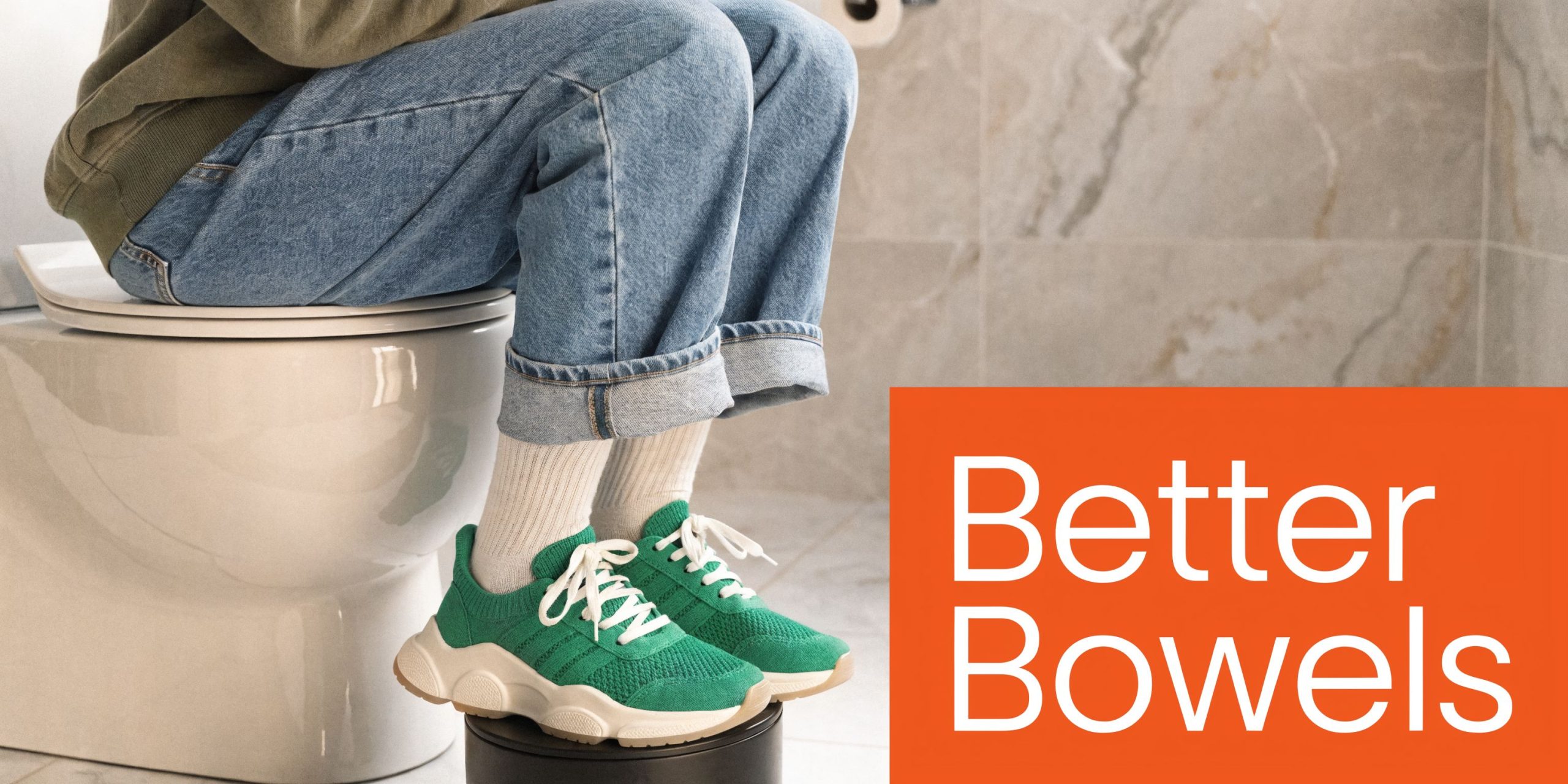
A simple footstool can make bowel movements easier. Elevating the feet changes your posture and often helps the rectum empty with less effort. Patients who strain less usually report less hemorrhoid irritation and less sharp pain from fissures.
Try this sequence:
-
Sit fully back on the toilet.
-
Place both feet on a small stool or stack of books.
-
Lean forward slightly.
-
Let your belly expand instead of tightening your chest.
-
Exhale gently as you bear down, rather than holding your breath and forcing.
This is not magic. It is mechanics.
Stop “power pushing”
Many people treat constipation like a strength problem. They brace, clench, and push harder. That usually worsens the problem, especially if the pelvic floor is not relaxing well.
Signs you are overdoing it:
-
You hold your breath while straining
-
Your face turns red
-
You sit for long stretches waiting
-
You feel anal pain or pressure afterward
A bowel movement should not feel like a workout.
Use belly breathing to relax the pelvic floor
The pelvic floor and the anal sphincter need to relax for stool to pass. If they stay tight, you can feel blocked even when stool is present.
Try this while seated on the toilet:
-
Put one hand on your abdomen.
-
Inhale so the belly rises.
-
Exhale slowly through pursed lips.
-
Let the abdomen soften instead of sucking it in.
-
Repeat several breaths before you attempt to pass stool.
That breathing pattern helps many people stop fighting their own muscles.
If stool is not coming after a few calm minutes, get up. Walking, hydration, and another attempt later usually works better than forcing it.
Time your attempt with your body, not your schedule
The best time to try is often when your body naturally gives you an urge, especially after eating or after your morning routine. Ignoring that urge repeatedly can make constipation worse.
A stool journal can help you see patterns you are missing. If you want a simple way to track timing, straining, and stool consistency, use this 7-day bowel habit tracker for real life.
Medications and Supplements Affecting Motility
A common clinic visit goes like this. Someone starts a new medication, adds a few supplements to “get things moving,” and within two weeks they are bloated, uncomfortable, and straining more than before.
That pattern is especially common now with GLP-1 weight-loss medications. It also shows up in pregnancy, postpartum recovery, and after starting iron or pain medicine. If constipation worsened after something changed, review the medication list before assuming your gut suddenly stopped working on its own.
Useful supplements, with real trade-offs
Supplements can help, but they are not interchangeable.
Psyllium helps many patients by improving stool form and holding water in the stool. It works best when introduced slowly and taken consistently. If you add too much too fast, especially when gut transit is already slow, you may feel more full, gassy, and backed up.
Magnesium can be useful when stool is dry or hard to pass because it draws water into the bowel. It is not a casual long-term fix for everyone. Kidney disease, certain heart conditions, and some medications can make magnesium a poor choice, so it is worth checking before you use it regularly.
I usually advise against starting several products at once. If you add fiber gummies, magnesium, stimulant tea, and a probiotic together, you cannot tell what helped and what made the cramping worse.
Over-the-counter options do different jobs
“Laxative” is a broad label. The effect depends on the type.
| Type | What it generally does | Best use |
|---|---|---|
| Fiber-based | Builds stool bulk and improves consistency | Slow, steady routine support |
| Osmotic | Pulls water into the bowel | Helpful when stool is hard or infrequent |
| Stimulant | Triggers bowel contractions more aggressively | Short-term rescue, not casual daily use |
That distinction matters. Some products improve stool texture. Others push the bowel to contract. If your problem is dry stool, one approach makes sense. If your problem is slow transit from a medication, the plan may need to be different.
GLP-1 medications need a different plan
Semaglutide and related GLP-1 drugs can slow the digestive tract, as described in Cleveland Clinic’s overview of GI motility. In practice, that means the standard “just eat more fiber” advice can backfire.
I see this often. A patient starts a GLP-1 medication, loses appetite, eats less overall, drinks less than usual, then adds a large fiber supplement because constipation starts. The result is often more bloating and a stronger sense of blockage.
A better starting approach is usually more measured:
-
Increase soluble fiber slowly, not aggressively. Psyllium is often easier to tolerate than a sudden jump in bran, raw vegetables, or multiple fiber products.
-
Use osmotic support early if stool is hard or infrequent. This is often more helpful than waiting until you are severely backed up.
-
Choose smaller, simpler meals if fullness is a major issue. Large, heavy meals can sit longer and add to discomfort.
-
Pay attention to the feeling of the problem. Slow transit feels different from pelvic floor dysfunction. If you feel stool is there but cannot come out, the issue may not be motility alone.
If you want a condition-specific plan, read this guide on why GLP-1 medications slow your gut and what you can do about it.
Other common medication triggers
Several everyday medications can slow bowel function.
Iron supplements are a major one, and this matters in pregnancy and postpartum because iron is prescribed so often. Some people tolerate one form better than another, so do not assume you have to suffer through the first version you were given.
Opioid pain medications slow the gut and often require a bowel plan from day one.
Anticholinergic medications, some antidepressants, and some blood pressure medicines can contribute as well.
The key question is simple: what changed right before the constipation started or got worse? That answer often points to the fix faster than another supplement does.
Managing Motility During Pregnancy and Postpartum
Pregnancy and the postpartum period are some of the most common times for bowel habits to go sideways. The reasons are familiar in clinic: hormonal shifts, reduced activity, iron supplements, dehydration, pain with bowel movements, and fear of tearing or worsening hemorrhoids after delivery.
Many patients try to tough it out because they assume constipation is just part of the process. It is common. It should not be ignored.
A gentle ramp-up works better than an aggressive fix
A gradual fiber escalation protocol can normalize bowel habits in 75 to 85% of constipated adults. Starting with a 5 to 10 gram per day increase weekly, paired with 2 to 3 liters of hydration, helps avoid the bloating that can come with rapid change. This approach aims for 25 to 30 grams daily and is described as a gentle option suitable for sensitive situations like pregnancy in LIV Hospital’s colonic motility guidance.
That is the right mindset during pregnancy and postpartum. Gentle beats dramatic.
What usually works best
Use a layered approach:
-
Start with soluble fiber first. Oats, fruit, or psyllium are often easier than jumping straight to a large amount of bran or raw vegetables.
-
Choose cooked produce when your gut feels touchy. Cooked vegetables are often easier to tolerate than big salads.
-
Hydrate steadily through the day. This matters even more if you are breastfeeding.
-
Walk when you can. Short, regular movement is often more realistic than formal exercise.
-
Protect the pelvic floor. If you feel pressure, pain, or incomplete emptying, relaxation matters as much as pushing.
If pregnancy has changed your bowel habits in ways that feel unfamiliar, this guide on how pregnancy changes your poop can help put the pattern into context.
What to avoid
The biggest mistake is trying to “catch up” after several constipated days with a harsh fix. That often leads to cramping, urgency, and fear of going again.
Another mistake is eating much more fiber without enough water. That can leave you feeling fuller and more uncomfortable.
During pregnancy and postpartum, the best bowel plan is the one that is safe, boring, and repeatable.
Give yourself permission to treat the problem early
Constipation during pregnancy can lead to hemorrhoids, fissures, or a cycle of discomfort and stool withholding. This cycle often causes individuals to reduce their food and fluid intake and avoid using the toilet due to fear of the next bowel movement. It is advisable to address the issue early and gently before it worsens. For a safe and effective hemorrhoid and fissure treatment, consider Bummed’s Long Acting Prescription Care, which is suitable for use during pregnancy. More details can be found at Bummed’s Long Acting Prescription Care.
Recognizing Red Flags and When to Seek Care
Most constipation improves with habit changes, mechanical changes in the bathroom, and selective use of supplements or medications. Some symptoms should not be handled at home for long.
Seek prompt medical care if you have:
-
Persistent rectal bleeding
-
Black or tarry stools
-
Severe or worsening abdominal pain
-
Unexplained weight loss
-
Repeated vomiting
-
A major change in bowel habits that does not improve
Those problems can point to more than simple slow motility.
A practical care pathway
A reasonable approach looks like this:
| Situation | Best next step |
|---|---|
| Mild constipation, hard stool, occasional straining | Start with fiber, hydration, movement, and bathroom mechanics |
| Constipation with hemorrhoid or fissure symptoms | Treat bowel habits and address anorectal irritation early |
| New constipation after starting a medication | Review the medication list with a clinician |
| Ongoing incomplete emptying or blocked feeling | Consider pelvic floor evaluation |
| Bleeding, severe pain, vomiting, black stool, or weight loss | In-person medical evaluation |
If symptoms are persistent but not alarming, a gastroenterologist or colorectal surgeon can help sort out whether the problem is slow transit, pelvic floor dysfunction, medication-related constipation, or another digestive issue. The best treatment depends on the reason the bowel is not moving well.
Frequently Asked Questions About Gut Motility
How long does it take to improve gut motility
Sometimes people notice movement the same day they walk after meals or improve hydration. More often, bowel habits improve over days to weeks once the routine is consistent. The colon responds better to repetition than to one “perfect” day.
Can stress affect gut motility
Yes. Stress can make the gut feel tight, unpredictable, or sluggish. In practice, patients often tighten the abdomen and pelvic floor when they are anxious, which makes emptying harder. Calm breathing and a regular routine are often surprisingly helpful.
Does coffee help or hurt
Coffee helps some people because it can trigger the urge to have a bowel movement. It can also irritate others, especially if they are dehydrated, sensitive to caffeine, or using coffee instead of eating breakfast. If it helps you go comfortably, fine. If it causes urgency, cramping, or reflux, it is not the right tool.
Is it better to go every day
Not necessarily. A healthy pattern is one that is regular for you and does not require straining. Daily bowel movements are not the only definition of normal. Easy passage matters more than chasing a specific number.
If constipation is triggering hemorrhoids, fissures, or ongoing anorectal discomfort, Bummed offers discreet telehealth care with board-certified providers, same-day review, and surgeon-formulated treatment options, including pregnancy-friendly support and care for GLP-1-related bowel issues.
Bummed content is for general education and should never replace professional medical advice that considers your individual health. If you think you’re experiencing a medical emergency, call 911 or head to the nearest emergency department.
Prescription products require an online consultation with a physician who will determine if a prescription is appropriate.
Created with Outrank