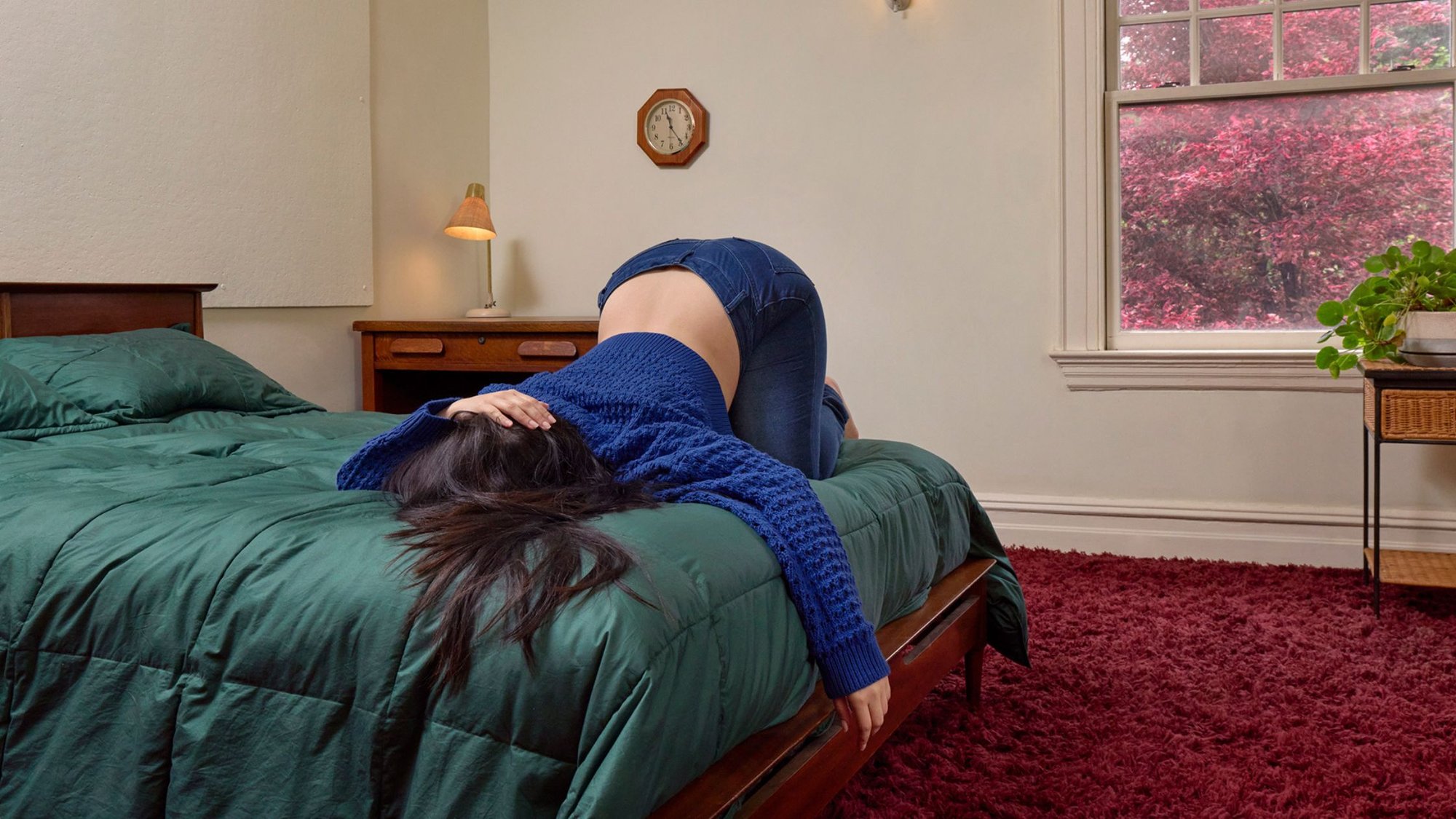


It can be maddening: the moment your head hits the pillow, an unrelenting itch begins. This experience, known in medical circles as nocturnal pruritus ani, is a real and common complaint.
The itch often gets worse at night because of a perfect storm of environmental and biological factors. Always make sure to have a bottle of Bummed’s Anti-Itch cream to find relief and stop the itch for good.
Why Your Itching Gets Worse When the Sun Goes Down
During the day, our brains are busy with work, errands, and a million other distractions. It’s easy to tune out minor physical discomforts. But when you lie down in a quiet, dark room, your mind has far less to focus on. Suddenly, that faint itch becomes the main event, and its intensity feels amplified.
Your body’s natural rhythms also play a huge part.
According to the Cleveland Clinic, the body’s circadian rhythms are a key player. At night, natural hormonal shifts can dial up inflammation and make it harder for your skin to hold onto moisture, leaving it more vulnerable to irritation and itching.
This internal clock syncs up with your environment. When you get into bed, you trap heat and moisture around your bottom, especially if you’re using heavy blankets or sleepwear that isn’t very breathable. That warm, damp setting can make any existing irritation from sweat or trace fecal matter much, much worse. It’s the perfect recipe for an itch.
The actual source of the irritation usually boils down to a few usual suspects:
- Skin Irritation: Think harsh soaps, scented wipes, aggressive wiping, or even leftover laundry detergent on your underwear.
- Hygiene Habits: Both over-cleaning and under-cleaning can throw off the delicate skin balance down there.
- Dietary Choices: Certain foods and drinks, like coffee, spicy dishes, or citrus, can irritate the anal canal on their way out.
- Underlying Conditions: Things like hemorrhoids, anal fissures, or even parasitic infections are common culprits behind that nighttime nuisance.
Because this can seriously disrupt your rest, addressing the underlying cause is usually more effective than trying to simply relax through it.
Common Irritants and Hygiene Habits to Check
Product and hygiene triggers, harsh soaps, scented wipes, rough toilet paper, are common contributors to nighttime flare-ups too. For a full breakdown of safe swaps and home care steps, see our guide to anal itching home remedies.
How Your Diet Can Fuel the Itch-Scratch Cycle
Certain foods, including caffeine, alcohol, spicy foods, and citrus, can also worsen nighttime symptoms. For the full list of dietary and other causes, see our guide to anal itching causes.
Underlying Medical Conditions That Can Trigger Itching
If you’ve tried everything—you’ve upped your hygiene game, switched your soaps, and tried Bummed’s Anti-Itch cream, but that frustrating itch just won’t quit, it might be time to look a little deeper.
Sometimes, nighttime anal itching isn’t just a surface-level problem. It can be your body’s way of signaling that something else is going on.
Hemorrhoids and Anal Fissures
Hemorrhoids and anal fissures are also common nighttime triggers, since trapped heat and moisture under bedding can intensify irritation from either condition.
Skin Conditions and Infections
The skin around your anus is just as sensitive as the skin anywhere else—and just as prone to dermatological issues. When there are no daytime distractions, the discomfort from these conditions can feel amplified at night.
Eczema, psoriasis, lichen sclerosus, and fungal infections can also cause perianal itching that feels worse at night when there’s nothing else to distract from it. Pinworms are another cause worth ruling out, this parasitic infection can affect adults, and it’s most active at night, when the female worm moves to the anal area to lay eggs, causing severe itching that can wake you from a deep sleep.
If your itch is persistent, severe, or comes with other symptoms like bleeding, pain, or a noticeable lump, it’s really important to get a professional diagnosis. A provider can pinpoint the exact cause and get you on a treatment plan to finally stop the itch for good.
Finding Lasting Relief with Modern Treatments
If home care and hygiene changes haven’t settled things after a couple of weeks, it’s worth reviewing the full picture, including treatment options and when to see a provider, in our complete guide to itchy anus.
Frequently asked questions about itchy anus at night
When should I see a provider for anal itching?
If you’ve tried the usual home care tricks—like gentle hygiene and switching to non-irritating soaps—for a week or two with no luck, it’s time to call in a professional. According to the Cleveland Clinic, you should definitely seek medical advice if the itch comes with bleeding, serious pain, a new lump, or any changes in your bowel habits. Persistent itching isn’t just an annoyance; it’s a valid medical issue. A provider can figure out what’s really going on and get you on the path to relief.
Can stress and anxiety make anal itching worse?
Yes, one hundred percent. When you’re stressed, your body pumps out cortisol and other hormones that ramp up skin sensitivity and inflammation. This can turn a minor itch into a maddening one. It’s especially noticeable at night when the day’s distractions fade away. Your brain can get stuck on the sensation, and the anxiety about not sleeping just adds fuel to the fire. This creates a vicious itch-anxiety cycle that’s hard to break. A few minutes of deep breathing or meditation before bed can be surprisingly effective at calming these stress-related flare-ups.
Why does scratching feel so good but make itching worse?
The skin around your anus is incredibly thin and delicate. When you scratch, you’re creating tiny micro-tears in that tissue. Your body’s response is to send in the inflammation crew to start repairs, releasing chemicals like histamines that—you guessed it—create an even more powerful urge to itch. This is the infamous itch-scratch cycle, and breaking it is the key to healing. Instead of scratching, try a soothing cream or a cold compress. You’ll get the relief without the rebound itch.
Bummed content is for general education and should never replace professional medical advice that considers your individual health. If you think you’re experiencing a medical emergency, call 911 or head to the nearest emergency department.
Prescription products require an online consultation with a physician who will determine if a prescription is appropriate.